A nation born of sacrifice, trapped in corrupt practices
The tiny nation in South Asia turns 55 on 26 March 2026
A nation born of sacrifice, trapped in corrupt practices
The tiny nation in South Asia turns 55 on 26 March 2026
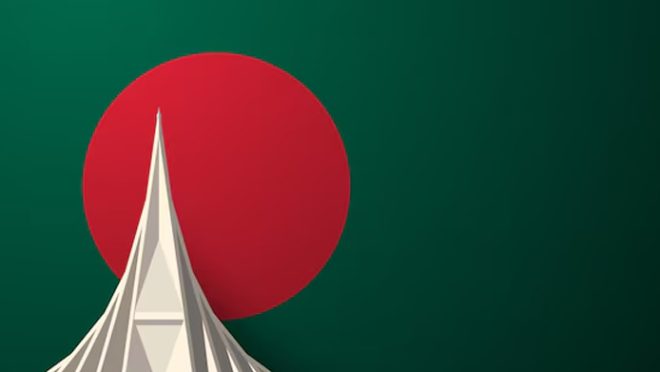
26th March 1971 was an incident born out of 23 years of oppression under Pakistan rule. Born out of the colonial ashes, Pakistan was a hope for emancipation, yet its racist and discriminatory nature meant that Bengalis could no longer accept being a part of Pakistan.
In light of the election in 1970, the cancellation of the General Assembly, and dialogues between the East and the West, it was clear that separation and independence were the only way forward.
After a gruesome 9-month battle, Bangladesh was born, out of the sacrifices that very few nations in history had to endure.
Unluckily, this was not the last battle for democracy, freedom, and rights the nation had to fight for. Independent Bangladesh often failed to meet the needs of the people, and again in 1990, the nation erupted to bring back democracy against an autocrat. And again we had to see another uprising with thousands of lives lost in order to come out of the grips of another.
The backward progressions under selfish governments meant that the nation, so hopeful after independence, had failed to gain ground.
On various social indicators of progress, Bangladesh lags behind most nations. In the Global Peace Index 2024, Bangladesh is positioned 93rd out of 163 countries, reflecting its state of peace and security.
The governments after independence often did not put any effort into strengthening the institutions which are a must for ensuring the rule of law. For example, according to the World Justice Project’s Rule of Law Index 2024, Bangladesh is ranked 127th out of 142 countries, which reflects the country’s lack of adherence to its own legal framework.
The state of the country economically may have improved, but the increase in GDP did not benefit different strata equally. The vulnerable and the poor are yet to be compensated for their labour. The inequality factors have ensured that Bangladesh is still stuck under the threshold of cheap labour wages, which makes any policy in improving the rights of working people a direct threat to the business elite.
The country is listed among the worst for working people, indicating significant violations of trade union rights under the Global Rights Index 2023. The political landscape is beholden to the business class in terms of financing the parties and directing policy.
The 2024 uprising had again energised the masses in terms of setting new expectations for nation-building. The newly formed party, consisting of young minds, was often touting that this would be the start of a second republic, while the opposition for many years, BNP, found it insulting that a second republic was even required to be claimed.
After the elections, the youngsters have settled down with their so-called “strategic alliance” with the very party that opposed the birth of this nation. The BNP, freshly in power, is struggling with a multitude of international pressures, and at the moment of writing, the factors of the Human Development Index (HDI) seem to be stagnant and, in some places, declining.
Whether a second republic, or the same one just in different shades, the current foundation of the nation is filled with injustice and corrupt bureaucrats influencing every meaningless change.
The coming days are shaping up to be challenging in the growing age of technology, and as we progress through integrating with the constantly changing world, this tiny nation may once again feel the urge to sow the seeds of freedom and march on.