Khaleda Zia dies at 80, leaving lasting mark on women’s education
Khaleda Zia dies at 80, leaving lasting mark on women’s education
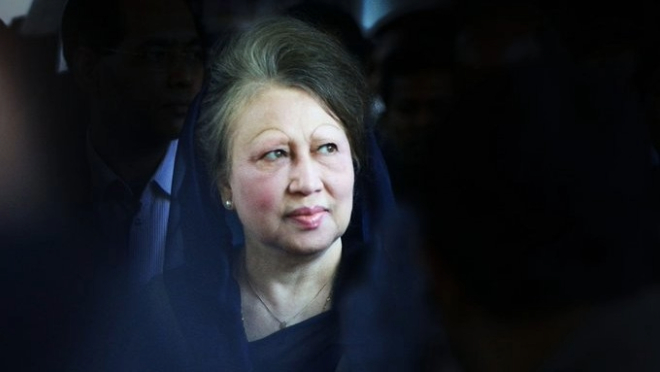
Former prime minister Khaleda Zia has died at the age of 80, marking the end of a political era in Bangladesh in which she played a key role in expanding education, particularly for women and girls.
Zia rose to power in 1991 after leading the BNP to victory in the country’s first post-military elections, becoming Bangladesh’s first female prime minister. At a time when female literacy remained critically low, her government prioritised education as a tool for social change.
One of her most significant contributions was the establishment of the Ministry of Primary and Mass Education, which institutionalised free and compulsory primary schooling and focused on widening access, especially for girls. Her administration introduced free education for girls up to Grade 10, stipends for female students, food-for-education programmes, and quotas for female teachers at primary level to encourage girls’ enrolment and retention.
During her second term, a constitutional amendment reserving 45 parliamentary seats for women further reinforced her emphasis on women’s participation in public life. Khaleda Zia’s death has prompted renewed reflection on her legacy as a leader who placed women’s education at the centre of national policy.