5 tech trends to look out for in 2026
5 tech trends to look out for in 2026

As the world steps into a new year, technology is once again poised to reshape economies, workplaces and everyday life. Looking ahead to 2026, five major trends are expected to dominate the global tech landscape: the rapid expansion of data centres beyond traditional hubs, the worldwide arrival of self-driving cars, the continued rise of tech billionaires, artificial intelligence finding selective usefulness at work, and increasingly unconventional consumer devices.
Data centres spread across the globe
Data centres expanded rapidly across the United States and the United Kingdom in 2025. In 2026, this growth is expected to go global, driven largely by the infrastructure demands of artificial intelligence.
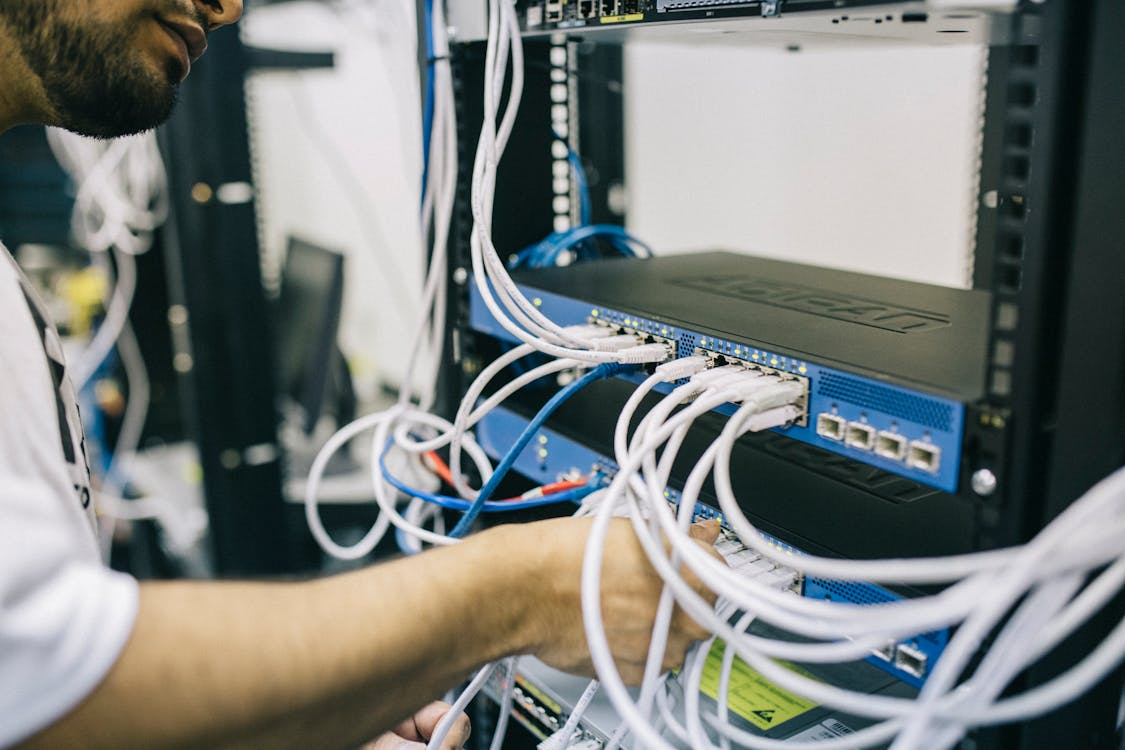
Photo: Pexels
According to The Guardian, major technology firms are pouring billions of dollars into building data centres in India. Microsoft has committed $17.5bn to new facilities, while Amazon has announced plans to invest $35bn. Google and Meta are also moving aggressively into the Indian market. South-east Asia is following a similar path, with Indonesia, Malaysia and Vietnam seeing strong growth, while Australia is emerging as a regional hub.
However, the expansion comes with challenges. Data centres consume enormous amounts of electricity and water, particularly in hot climates where cooling is energy-intensive. In Latin America, Brazil is positioning itself as a regional data centre hub, but rising demand has already contributed to power shortages. Environmental groups across the region are pushing back, citing concerns over energy use, water consumption and lack of transparency.
The Middle East is also entering the race. Saudi Arabia and the United Arab Emirates have signed AI-related investment deals worth hundreds of billions of dollars with the United States, aiming to diversify their economies beyond oil.
Europe’s data centre market continues to grow, but more slowly than in the US or China. Meanwhile, China offers a cautionary tale: despite building hundreds of new facilities, a large share of its data centres remain underused due to oversupply.
Self-driving cars go global
Self-driving vehicles are expected to become far more visible in everyday life in 2026. Robotaxi services, once limited to pilot projects, are expanding rapidly across major cities.
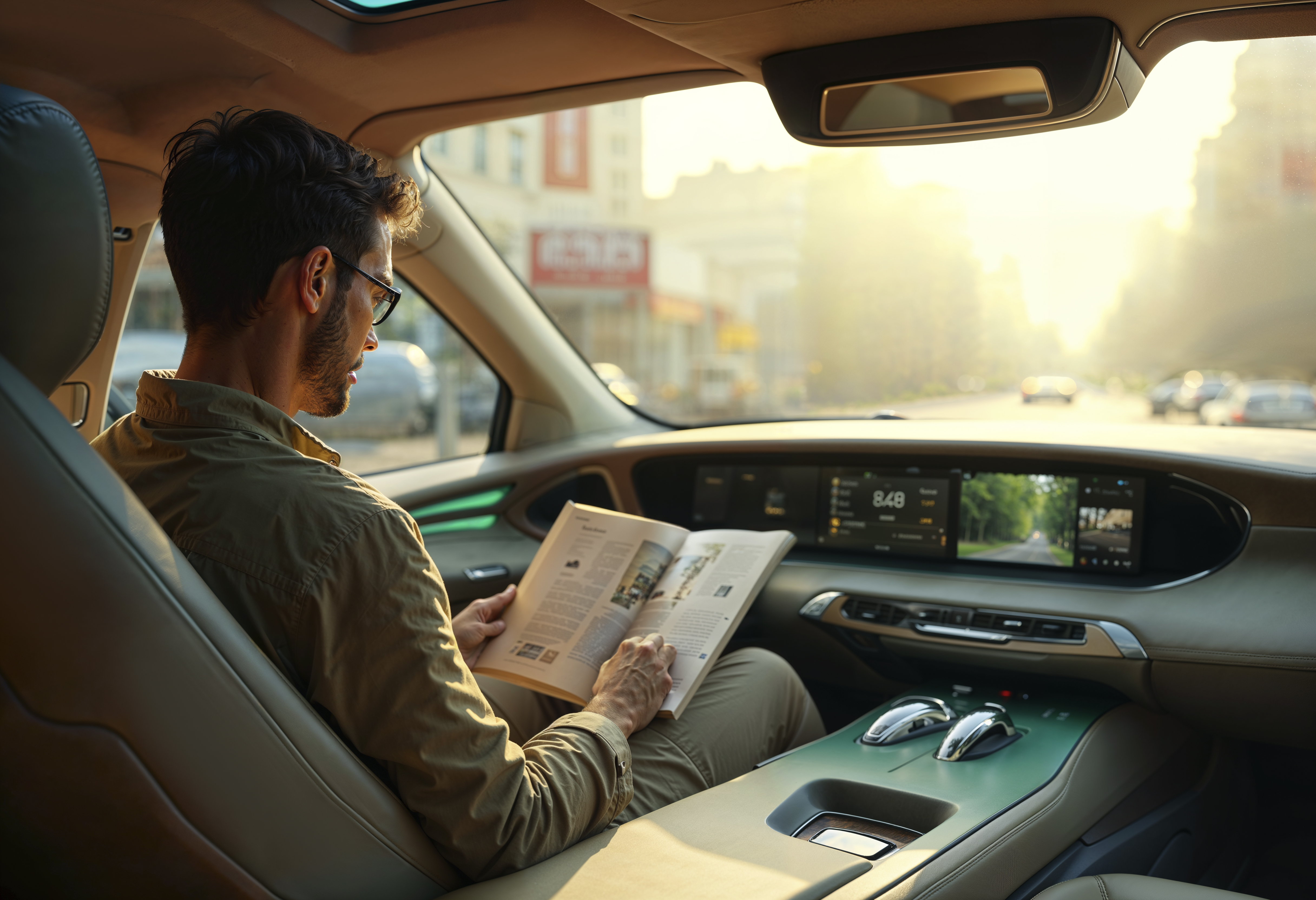
Photo: AI generated
In the United States, Waymo has already launched public services in San Francisco and Los Angeles, with Washington DC, New York and London next in line. Chinese companies are expanding even faster. Baidu’s Apollo Go has begun operations in Dubai and Abu Dhabi, while firms such as WeRide, Pony AI and Momenta are preparing launches across Europe and South-east Asia.
As competition between US and Chinese firms intensifies, millions of people worldwide are likely to encounter autonomous vehicles as a routine part of urban transport.
Billionaires likely to get richer
Tech wealth surged in 2025, and there are few signs of a slowdown. The Guardian reports that the ten richest technology executives added more than $550bn to their fortunes last year alone.
Two potential initial public offerings could push wealth even higher. SpaceX and OpenAI are each valued at close to $1tn. A public listing of SpaceX would add tens of billions to Elon Musk’s fortune, which already stands at around $600bn. Musk is also set to benefit from massive Tesla pay packages approved by shareholders.
OpenAI’s situation is less straightforward. Its chief executive, Sam Altman, has stated that he does not hold equity in the company, meaning much of the financial upside may flow to investors and employees rather than to him personally.
One notable exception may be Oracle founder Larry Ellison. After briefly becoming the world’s richest person in 2025, investor concerns about an AI bubble have since erased tens of billions from Oracle’s market value.

The 10 richest Americans got $365 billion richer in the past year. Photo: CNN
AI transforms some jobs, not all
Artificial intelligence has delivered dramatic productivity gains in certain areas, particularly software development and document analysis. Customer service roles are increasingly being replaced by chatbots.
Yet, AI has not transformed most workplaces. Studies cited by The Guardian suggest that the vast majority of corporate AI pilot projects have failed to deliver meaningful returns. Despite this, many employers are slowing hiring in anticipation of future automation.
Industries such as film and television are experimenting with AI to cut costs, while news readers have largely rejected AI-generated journalism. In law, AI remains unreliable for legal reasoning but useful for summarising complex documents. In 2026, AI is expected to find more narrow but genuinely valuable applications rather than replacing workers wholesale.

Photo: Rolling Stones
Consumer technology gets stranger
For years, the smartphone dominated consumer tech with little change in form. That may shift in 2026. Folding phones are becoming more common, and Apple is widely expected to introduce its first foldable device, which could bring the format to a much larger audience.
Tech companies are also racing to create a successful physical device built around AI. While earlier attempts such as wearable pins and AI necklaces failed, smart glasses are gaining traction and may become the most viable way to integrate AI into daily life. Meta currently leads this space, and competition is expected to intensify.
At the same time, AI is creeping into unexpected places, from household appliances to hotel furnishings, raising questions about usefulness, privacy and necessity.
Looking ahead
As The Guardian notes, 2026 is likely to be a year of expansion, experimentation and uneven progress in technology. While innovation continues at breakneck speed, its benefits and costs are becoming increasingly visible, forcing governments, businesses and consumers to reckon with how technology shapes the future.