NASA conducts first-ever medical evacuation from the International Space Station
In a rare and historic decision, NASA has carried out its first medical evacuation from the International Space Station (ISS), bringing a four-member crew back to Earth earlier than planned due to a health issue affecting one astronaut.
NASA conducts first-ever medical evacuation from the International Space Station
In a rare and historic decision, NASA has carried out its first medical evacuation from the International Space Station (ISS), bringing a four-member crew back to Earth earlier than planned due to a health issue affecting one astronaut.
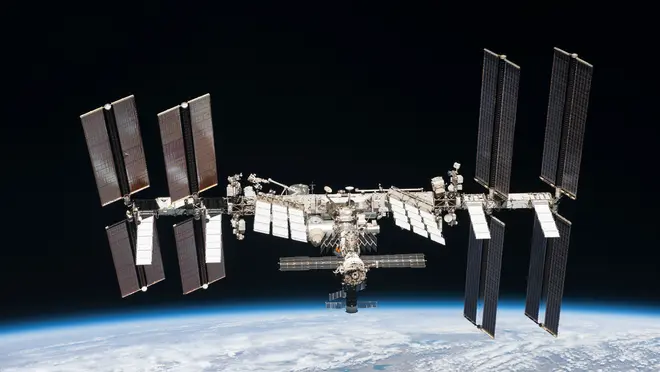
The astronauts safely splashed down off the coast of California after leaving the ISS nearly a month ahead of schedule. Space agencies involved described the return as controlled and precautionary, emphasizing that the situation was not an emergency.
The crew was part of a long-duration mission aboard the ISS. During the mission, one astronaut developed a medical condition that required closer monitoring and evaluation on Earth. Given the limited medical facilities available in space, mission managers decided that an early return was the safest option.
While the specific nature of the medical issue has not been disclosed, officials confirmed that the astronaut is stable and undergoing medical assessments following the return.
This marks the first time in NASA’s history that an ISS mission has been shortened specifically due to a medical concern. Since the space station began continuous human operations in 2000, astronauts have typically managed health issues in orbit unless conditions became severe.
The decision highlights a shift in how modern space missions prioritize human health alongside scientific goals. With longer missions and future plans involving the Moon and Mars, space agencies are increasingly cautious about health risks.
As a result of the early return: a planned spacewalk was canceled, some research activities were postponed and the remaining crew members continue to operate the station until the next scheduled crew rotation arrives.
Despite these changes, officials confirmed that the ISS remains fully functional.
The event underscores the complexity of human spaceflight and the importance of medical preparedness in extreme environments. It also reflects how international cooperation in space allows missions to adapt quickly when unexpected challenges arise.
As space exploration expands, experiences like this will shape future mission planning and astronaut training. The early return serves as a reminder that while space technology continues to advance, human well-being remains at the center of exploration efforts.