Edgar Allan Poe: The art of beautiful despair
Darkness does not whisper; it consumes.
Edgar Allan Poe: The art of beautiful despair
Darkness does not whisper; it consumes.
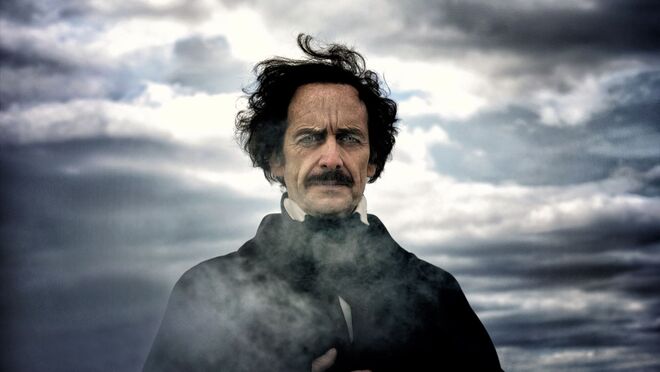
Edgar Allan Poe understood this better than most, living a life shadowed by loss and ending it in mystery. On this day, 19 January, we mark the birth of this architect of modern storytelling, a man who spent his short life transforming personal tragedy into immortal art.
The child of shadows
Poe’s darkness did not come from imagination alone. His mother died of tuberculosis when he was barely two years old; his father abandoned the family shortly after.
Taken in by the Allans of Richmond, Virginia, young Edgar was never truly adopted, never truly loved. He existed on the margins of his foster family, clothed and fed but emotionally starved.
This fundamental rejection became the blueprint for everything he would write. His characters obsess over loss, are haunted by absence, and are consumed by the death of beautiful women.
Poe understood abandonment not as a concept but as a lived experience. When he later wrote about grief and anguish, he was drawing from the deepest wells of his own childhood pain.
Tales of murder and madness
Poe’s short stories are exercises in psychological unravelling. Imagine being haunted by the sound of someone’s heartbeat that you are convinced you have murdered – that is The Tell-Tale Heart for you.
Interested in decaying mansions and dysfunctional families? Then The Fall of the House of Usher deserves a read.
If you believe revenge is best when served cold, you may want to check out The Cask of Amontillado.
Ligeia explores the obsession of a lovelorn man for his dead wife, blurring the line between memory and reality.
The genius of Poe lies in making readers live inside the twisted minds of his characters. You start to understand their logic and feel the weight of their guilt. Readers realise, perhaps uncomfortably, how ordinary people can become capable of terrible things.
Poe proved that the most terrifying horror comes not from the supernatural but from the human consciousness turned inward.
Verses from the abyss
Poe’s poetry is something else entirely. It does not merely tell stories; it creates sensations.
The Raven builds dread with each stanza, using repetition like a hammer driving nails into the reader’s mind.
Annabel Lee moves through melody and rhythm, using sound itself as a weapon against comfort.
The Bells showcases his mastery of onomatopoeia, making the reader hear what the words describe. Ulalume creates a dreamlike atmosphere of haunting beauty.
His verses move with rhythmic precision, every word placed to create a specific emotional effect. Poe believed poetry should not uplift but rather create beauty from melancholy, transcendence from loss. He proved that the darkest themes could produce the most exquisite art.
The narrators we recognise
Poe did not write about extraordinary monsters; he wrote about ordinary people being destroyed by their own consciousness.
His characters resonate across centuries because they capture timeless truths about human nature. Throughout his work, Poe returned again and again to the same dwellings: death, loss, guilt, obsession, and the unreliability of the mind itself.
Women who died haunted his pages, narrators descended into paranoia, guilt manifested as torment, and revenge consumed those who pursued it.
His unreliable narrators, convinced of their own sanity whilst revealing their madness, reflect our own capacity for self-deception. His obsessed men, driven by irrational desires, show us how the mind can turn against itself.
His grieving souls, unable to release the dead, speak to anyone who has loved and lost. He showed that the human consciousness, left alone with guilt or grief, becomes its own worst enemy.
Death took Poe at forty, leaving behind a legacy that refuses to fade. Nearly two centuries later, his work continues to haunt us because he refused to pretend that life was anything other than painful, mysterious, and utterly inexplicable.