Clean energy isn’t ideology — it’s survival
If someone asked you what 26th January stands for, chances are you won’t be able to answer.
Clean energy isn’t ideology — it’s survival
If someone asked you what 26th January stands for, chances are you won’t be able to answer.
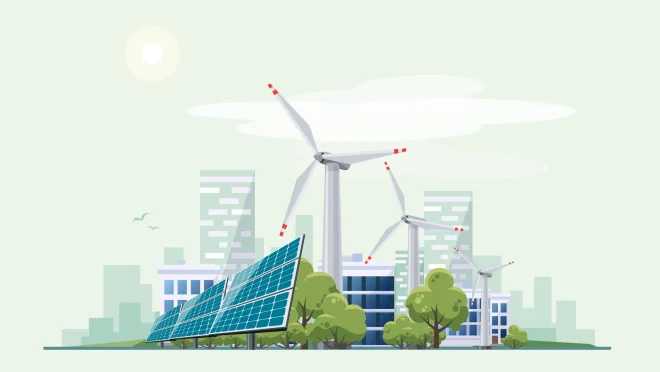
26 January is the UN’s International Day of Clean Energy, and this isn’t just another day on the calendar; it points to one of the most urgent conversations of our time.
Recognised in 2023, the UN’s International Day of Clean Energy reminds the world that how we produce energy matters for the wellbeing of the planet and its people.
Right now, most of the world still depends on coal, oil, and gas for energy, but these pollute the air, worsen climate change, and cause many health problems.
Meanwhile, clean energy such as solar, wind, hydro, etc. is renewable, doesn’t cause air pollution, and is crucial if we want to slow climate change. The choices seem pretty straightforward, right?
But no. The issue of how the world powers itself has never been louder, messier, or more political.
Progress and pushback in the energy transition
On one side, the transition to clean energy looks stronger than ever. In 2025, wind and solar power generated more electricity in the European Union than fossil fuels for the first time; a milestone that would have seemed unrealistic just a decade ago.
Global investment in clean energy, including solar, wind, battery storage, and electricity grids, has reached record highs and, in many reports, now surpasses investment in oil and gas.
And yet, at the same time, there’s a growing political pushback.
In the United States, President Donald Trump has once again brought climate change scepticism into the mainstream conversation. He has repeatedly dismissed climate change as exaggerated or outright false, often pointing to cold weather events as proof that global warming isn’t real — a stance scientists say is incorrect because weather and climate are different.
Trump and some of his allies support fossil fuel industries, which are powerful and profitable, and they see climate regulations as unnecessary government control. Admitting climate change would also go against their political goals and risk upsetting certain voters. Their stance on climate change is not based on science; rather, these leaders focus on short-term gains, ideology, and maintaining support.
As a result of this scepticism, there’s a lot of talk about reinstating oil, gas, and coal as the main and reliable sources of energy. People frame it as a way to show strength, independence, and common-sense economics.
In this story, clean energy is made out to be unreliable, expensive, or something only “out-of-touch” people care about.
The economic and human reality of clean energy
But the truth is that the transition to clean energy isn’t just about politics, ideals, or even doing the right thing for the planet. It’s about doing the right thing economically.
In many places, solar and wind power are cheaper than building new coal or gas plants. Batteries are getting better, and using energy more efficiently saves households and governments a lot of money. Countries that invest early also get ahead in technology and create new jobs. This isn’t just about doing the right thing; it makes good business sense too.
But in the middle of back-and-forth debates and arguments, it’s easy to lose sight of what really matters, which is making energy accessible, reliable, and clean for everyone. This is exactly why the UN’s International Day of Clean Energy is so important. It’s a reminder to step back from the noise and focus on the big picture.
The purpose of the day is to remind us that having access to inexpensive, clean energy is neither a luxury nor a Western fixation. It is essential to growth. This is SDG 7’s central idea. SDG 7 is one of the United Nations’ Sustainable Development Goals. It means making sure everyone has access to affordable, reliable, and clean energy so people can live better lives and countries can develop sustainably.
For millions of people in developing countries like ours, this means electricity for schools, clean cooking fuel for homes, and power for small businesses. Fossil fuel dependency has never delivered this equitably.
The loud political fight over climate change often makes us forget the people it affects. The debate gets stuck between “it’s a hoax” and “we’re in a crisis”, while the real question is simpler. And that is: ‘what kind of energy works for the future?’
Fossil fuels bring risks like price swings, conflicts, pollution, and long-term economic problems. Although clean energy is not perfect, it offers communities greater control and is more predictable.
Wind power doesn’t need to be imported, and solar panels function regardless of who is in charge. Although changes take time and oil and gas won’t disappear immediately, it is unrealistic to view sustainable energy as a rival to development.
What we should be worried about is not that people question climate science or debate energy policies. That’s normal. The issue is when the debate distracts us from the real problem.
In South Asia, including Bangladesh, millions still struggle with unreliable electricity or depend on polluting fuels for cooking. If we want to fix this, we need more investment in solar, wind, and clean cooking solutions, better planning, and policies that make clean energy affordable and accessible for all.
This is why the International Day of Clean Energy matters so much. It reminds us to focus on what really counts: energy that is reliable, affordable, and fair. Moving towards clean energy is not just about ideals; it’s about creating a safer, more sustainable future for people, communities, and the planet.