Why fibre may be one of the most powerful nutrients for lifelong health
Fibre is often overlooked in discussions about healthy diets. Yet a growing body of scientific evidence suggests it plays a central role in improving physical health, extending lifespan, and protecting the brain as we age. Despite this, most people still consume far less fibre than recommended.
Why fibre may be one of the most powerful nutrients for lifelong health
Fibre is often overlooked in discussions about healthy diets. Yet a growing body of scientific evidence suggests it plays a central role in improving physical health, extending lifespan, and protecting the brain as we age. Despite this, most people still consume far less fibre than recommended.
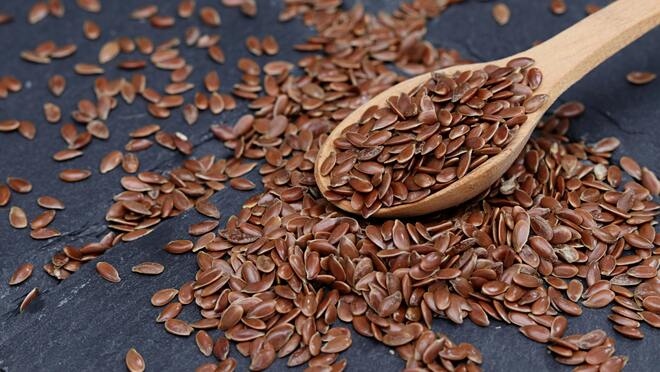
Foods rich in fibre, including wholegrains, fruits, vegetables, pulses, nuts and seeds, are consistently linked to better health outcomes. Recent reporting by the BBC, drawing on emerging research, has highlighted how fibre influences the gut microbiome and strengthens the gut–brain axis, the communication network between the digestive system and the brain that plays a role in cognition and ageing.
Karen Scott, professor of gut microbiology at the Rowett Institute at the University of Aberdeen, has described increasing fibre intake as one of the most impactful dietary changes for long-term brain health. In contrast, low fibre consumption is now recognised as a major dietary risk factor for chronic illness.
The scale of the deficiency is striking. In the United States, around 97% of men and 90% of women fail to meet daily fibre recommendations. In the UK, more than 90% of adults consume too little fibre, a pattern that mirrors trends seen in many other countries.
So why is fibre so important, and how does it exert such wide-ranging effects on the body and brain?
How fibre works in the body
Unlike most carbohydrates, fibre cannot be fully broken down by human digestive enzymes. As a result, it passes through the digestive system largely intact. This characteristic underpins many of its health benefits.
Fibre adds bulk to stool, supports regular digestion, and slows the absorption of sugars, helping to stabilise blood glucose levels. Because it digests slowly, it also promotes a lasting feeling of fullness, which can help regulate body weight. Research shows that people who eat more wholegrains tend to have lower body mass index and less abdominal fat than those who rely heavily on refined grains.
John Cummings, emeritus professor of experimental gastroenterology at the University of Dundee, argues that fibre should be considered an essential nutrient due to its strong association with longevity.
A major review co-authored by Cummings found that individuals with the highest fibre intake had a 15–30% lower risk of death from all causes compared with those consuming the least. Consuming around 30g of fibre per day was linked to reduced rates of heart disease, stroke, type 2 diabetes and colorectal cancer. In population terms, this translated into 13 fewer deaths per 1,000 people.
The strongest benefits were observed at daily intakes between 25g and 29g. This level can be achieved by including fibre-rich foods at every meal. A baked potato with skin and beans, followed by a piece of fruit, already delivers a significant portion of the daily requirement. Nuts and seeds also contribute meaningfully, with a small handful providing several grams of fibre.
The microbiome and the gut–brain connection
Much of fibre’s impact comes from how it interacts with the gut microbiome. When gut bacteria ferment fibre, they produce short-chain fatty acids, including acetate, propionate and butyrate. These compounds provide energy to gut cells and are associated with reduced inflammation and improved metabolic health.
Butyrate, in particular, helps maintain the integrity of the gut lining. By strengthening this barrier, it reduces the risk of harmful substances entering the bloodstream and affecting the brain. This mechanism helps explain why fibre-rich diets are increasingly associated with better cognitive outcomes.
Fibre’s role in brain health
Recent BBC reporting has drawn attention to the growing evidence linking fibre intake to brain health. Scott explains that higher fibre consumption leads to increased production of butyrate, which may help preserve cognitive function over time.
Large observational studies support this connection. A 2022 study involving more than 3,700 adults found that individuals with the highest fibre intake had a lower risk of developing dementia compared with those consuming the least. Similar findings have been reported among adults over 60, where higher fibre intake was associated with better memory and cognitive performance.
More recent randomised controlled trials have gone further by demonstrating causation. In one study involving twin pairs, participants who consumed a daily prebiotic fibre supplement showed measurable improvements in cognitive tests after three months, compared with those given a placebo. Analysis of stool samples revealed increased levels of beneficial bacteria, particularly Bifidobacterium.
The study was led by Mary Ni Lochlainn, a clinical lecturer in geriatric medicine at King’s College London. She says the findings highlight the potential of dietary interventions to support brain health in later life, noting that the gut microbiome is adaptable and responsive to change.
Other research suggests that higher butyrate production is also linked to improved mood, better sleep and reduced symptoms of depression. In contrast, studies have found that people with Alzheimer’s disease tend to have fewer butyrate-producing bacteria and higher levels of inflammatory markers in their gut.
How to eat more fibre
People who live long and healthy lives tend to have diverse gut microbiomes. One of the most effective ways to encourage this diversity is to consume a wide range of fibre sources.
Increasing plant-based foods is a practical starting point, particularly pulses such as lentils, beans and peas, which are especially high in fibre. Small changes can make a difference, such as adding legumes to soups, pasta dishes or even pancake batter.
Swapping refined grains for wholegrain alternatives is another simple step. For those who prefer the taste of white bread or pasta, mixing white and wholegrain versions can ease the transition. Choosing wholegrain breakfast cereals also helps boost daily intake.
Fibre-rich snacks, including apples, popcorn, nuts and seeds, further support gut health, as different fibres nourish different bacterial species. For individuals who struggle with chewing or swallowing, fibre supplements can also be beneficial.
Given the scale of its benefits, Scott argues that increasing fibre intake may be the single most effective dietary change most people can make to improve overall health and protect the brain as they age.