Apple watch may improve detection of common heart condition
Apple’s smartwatch technology could play a growing role in identifying a widespread but often silent heart condition, according to two new studies published in the Journal of the American College of Cardiology.
Apple watch may improve detection of common heart condition
Apple’s smartwatch technology could play a growing role in identifying a widespread but often silent heart condition, according to two new studies published in the Journal of the American College of Cardiology.
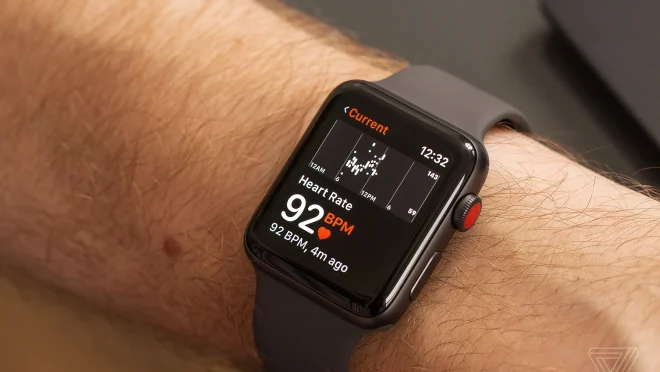
The research focused on atrial fibrillation (AFib) — an irregular heart rhythm that elevates the risk of stroke and can go unnoticed because symptoms are intermittent or absent.
In one Dutch study, researchers followed 437 adults at high risk for stroke. Participants were split into two groups, with half wearing an Apple Watch paired to their smartphone for six months. The device monitored their pulse and recorded single-lead electrocardiograms (ECGs) when irregularities were detected. All ECG results were reviewed remotely by clinicians within 24 hours.
By the end of the study period, the watch group had a significantly higher detection rate of AFib (9.6%) compared with the control group (2.3%), uncovering many “silent” episodes that the participants had not felt or reported.
In the second study conducted in the United Kingdom, researchers monitored 168 patients who had undergone catheter ablation to treat AFib. Participants wearing Apple Watches showed more recurrences of abnormal rhythms than those who were not monitored with the device — but importantly, they had fewer unplanned hospital admissions. Researchers said the real-time feedback helped users distinguish between harmless irregularities and those needing medical attention.
The findings suggest that wearable technology could help physicians and patients better manage AFib by improving early detection and informing care decisions.