Kurt Cobain case revisited as new forensic study questions suicide
Kurt Cobain’s death in April 1994 stunned fans and reshaped the music world. Nearly 32 years later, the circumstances surrounding the Nirvana frontman’s final moments are once again under scrutiny.
Kurt Cobain case revisited as new forensic study questions suicide
Kurt Cobain’s death in April 1994 stunned fans and reshaped the music world. Nearly 32 years later, the circumstances surrounding the Nirvana frontman’s final moments are once again under scrutiny.
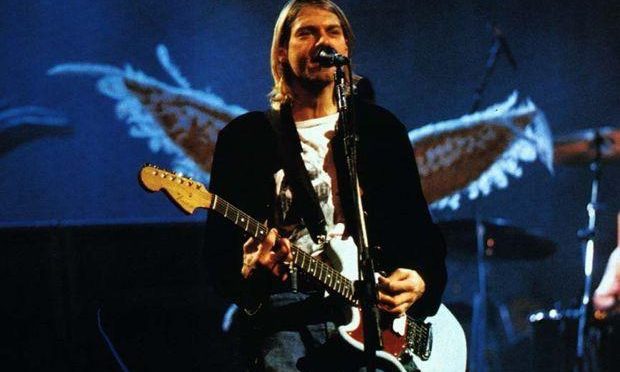
Cobain was found dead at his Seattle home on April 5, 1994, at the age of 27. The King County Medical Examiner concluded that he died by suicide from a self-inflicted shotgun wound, a ruling later supported by the Seattle Police Department. A Remington Model 11 20-gauge shotgun was recovered at the scene, along with a note believed to be written by Cobain.
Now, an independent group of forensic researchers has released a peer-reviewed paper arguing that elements of the autopsy and crime scene evidence are inconsistent with suicide. The team includes forensic specialist Brian Burnett, who has previously examined cases involving drug overdoses followed by gunshot trauma, and independent researcher Michelle Wilkins.
According to Wilkins, the team reviewed autopsy findings, toxicology reports and crime scene materials and concluded that Cobain may have been incapacitated by a heroin overdose before being shot. The paper outlines ten points of evidence suggesting homicide, including organ damage associated with oxygen deprivation, which the researchers argue is more consistent with overdose than an immediate gunshot death.
The report also raises questions about the condition of the scene. Cobain’s heroin kit was reportedly found neatly arranged, with capped syringes and similarly sized portions of heroin, while receipts for the firearm and ammunition were discovered in his pocket. The researchers describe the scene as unusually orderly for a suicide.
Other points highlighted include the placement of Cobain’s hands on the weapon, the absence of expected blood spatter, and the location of the spent shotgun shell, which the team says does not align with how the firearm would normally eject after being fired. They also question whether Cobain, allegedly suffering from a massive overdose, could have physically handled the six-pound shotgun.
The suicide note has also been reexamined. Wilkins claims the main body of the note reflects Cobain’s thoughts about leaving music rather than ending his life, while the final lines appear visually distinct and may have been added later.
However, authorities have rejected calls to reopen the case. A spokesperson for the King County Medical Examiner’s Office said the original investigation followed all required procedures and that no new evidence has been presented that would justify revisiting the ruling. Seattle police similarly reaffirmed their position that Cobain died by suicide.
Wilkins said the team is not seeking criminal charges but wants transparency and access to additional evidence held by authorities. She also expressed concern about the long-term impact of Cobain’s death being framed as a suicide, citing cases of copycat self-harm.