Saltwater intrusion is threatening Bangladesh’s water and food security
A creeping environmental crisis is unfolding along the world’s coastlines, and few countries illustrate it more starkly than Bangladesh.
Saltwater intrusion is threatening Bangladesh’s water and food security
A creeping environmental crisis is unfolding along the world’s coastlines, and few countries illustrate it more starkly than Bangladesh.
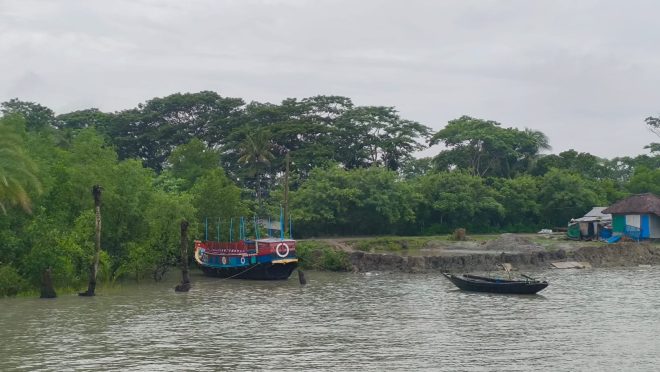
Recently reported by the BBC, saltwater intrusion is steadily contaminating the freshwater that communities depend on for drinking, farming and daily life.
Unlike cyclones or storm surges, saltwater intrusion rarely dominates headlines. It advances gradually, year after year, as seawater pushes inland into rivers, aquifers and soils. Yet its long-term consequences may be just as severe.
Bangladesh at the centre of the crisis
Bangladesh is widely recognised as one of the most climate vulnerable nations in the world. Much of the country lies only a few metres above sea level, spread across the vast Ganges-Brahmaputra-Meghna delta. This geography leaves it highly exposed to saline water moving inland from the Bay of Bengal.
In the south-western coastal districts, saltwater now travels far upstream during the dry season. Lower river flows, linked to reduced rainfall and upstream water management, allow seawater to penetrate deeper inland. Rising sea levels intensify tidal reach. Together, these pressures are expanding saline conditions across farmland and freshwater sources.
Millions of people in coastal Bangladesh are exposed to brackish drinking water for part of the year. Shallow tube wells that once provided reliable freshwater frequently yield saline water during dry months. For many rural households, safe alternatives are limited.
Rice farming under strain
Rice is central to Bangladesh’s food system. It is the staple food and a crucial source of income for rural families. However, rice is highly sensitive to salt. Even moderate salinity in soil or irrigation water can sharply reduce yields.
In many coastal areas, fields that once produced dependable harvests are now far less productive. As salt accumulates in the soil, crops struggle to grow properly. Farmers report lower yields and declining grain quality.
In response, many have converted rice paddies into brackish shrimp ponds. Bangladesh has become one of the world’s leading exporters of farmed shrimp as a result. While shrimp farming can bring income, it often entrenches salinity in surrounding soils and waterways, making a return to traditional rice cultivation difficult. The shift has changed local economies and land use patterns across coastal districts.
This transformation raises concerns about long-term food security. Bangladesh already relies on rice imports in some years. Continued salinisation may deepen dependence on global markets and expose vulnerable communities to price volatility.
Health risks from saline water
Saltwater intrusion affects more than agriculture. Drinking saline water has been linked to elevated blood pressure and complications during pregnancy. In coastal Bangladesh, research has identified higher rates of hypertension in communities that rely on saline sources.
Women and children frequently carry the burden of coping with the crisis. During peak salinity periods, they may need to travel long distances to collect potable water. This can disrupt schooling, income earning and household responsibilities.
Why the problem is worsening
Saltwater intrusion is driven by both global and local factors. Climate change is central. Rising sea levels increase the pressure that pushes seawater inland. Higher temperatures contribute to evaporation and, in some areas, declining rainfall, which reduces freshwater recharge.
Excessive groundwater extraction worsens the situation. When freshwater is pumped out faster than it can be replenished, underground water levels drop. This imbalance allows seawater to move further into aquifers.
Experts describe saltwater intrusion as a slow onset climate hazard. Its gradual nature makes it less visible than sudden disasters, yet its cumulative impact can be profound. Projections indicate that large stretches of the world’s coastlines, including much of Bangladesh’s, could experience increasing salinity by the end of the century.
Efforts to adapt
Bangladesh has taken steps to respond. Coastal embankments and sluice gates have been constructed to regulate tidal flows. Researchers are promoting salt tolerant rice varieties. Communities are also investing in rainwater harvesting and improved water storage to secure safer drinking supplies.
These measures face challenges related to funding, maintenance and scale. Infrastructure requires constant upkeep. Salt tolerant crops may not fully match the yields of traditional varieties. As sea levels continue to rise, adaptation will demand sustained effort and long-term planning.
As highlighted in the BBC’s reporting, saltwater intrusion is a quiet but relentless threat. For Bangladesh, it is not just an environmental issue but a challenge to food security, public health and economic stability. Without coordinated action to address climate change and strengthen local resilience, the steady advance of saltwater could reshape the country’s coastal future.