World Day of Social Justice: Challenges and responsibilities
World Day of Social Justice is observed annually to address social issues and advocate for social justice as a foundation for peace, equality and development worldwide.
World Day of Social Justice: Challenges and responsibilities
World Day of Social Justice is observed annually to address social issues and advocate for social justice as a foundation for peace, equality and development worldwide.
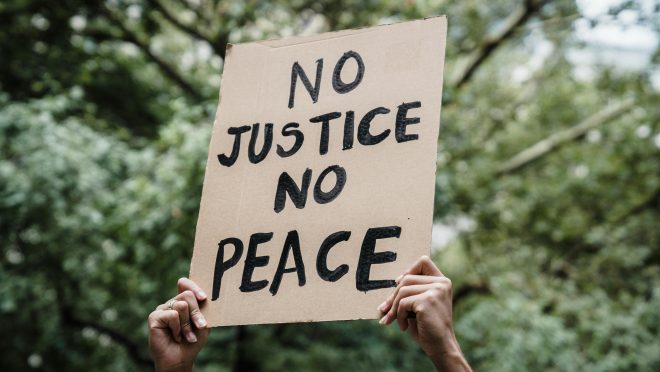
The day was established by the United Nations General Assembly in 2007. So, what exactly is social justice?
Even though we have a general idea of what social justice means, it is somewhat difficult to define it precisely. One publication by the UN states, “Social justice may be broadly understood as the fair and compassionate distribution of the fruits of economic growth.” On the other hand, the Cambridge Dictionary defines it as “the idea that all people should have the same rights and opportunities and that a country’s wealth and resources should benefit everyone in that country.”
While these two definitions differ slightly, their essence remains the same. In general, social justice refers to the idea that everyone in society deserves equal treatment and opportunities. Anyone who falls behind should receive support from society and, overall, everyone should enjoy equal rights.
What it encompasses
Social justice means equal rights, treatment and opportunities for everyone. This means it can only be ensured if certain issues are addressed. These issues include, but are not limited to, economic inequality, lack of inclusivity in social and economic settings, gender and racial discrimination, environmental concerns, disability rights, human rights violations and poverty, among others. Ensuring social justice is indeed a steep mountain to climb.
The idea of integrating “just transition” principles into both global and national policies has also been discussed recently in the context of social justice. A just transition refers to the shift towards a sustainable future. Given the current state of the world, sustainability is the only viable path forward.
The World Day of Social Justice supports several United Nations Sustainable Development Goals (SDGs), including:
SDG 1: No Poverty
SDG 5: Gender Equality
SDG 8: Decent Work and Economic Growth
SDG 10: Reduced Inequalities
The core objective is to ensure fair outcomes for all through employment opportunities, social protection, social dialogue and the protection of fundamental rights.
What Can You Do?
It may sound overwhelming. Reading about all the issues that must be addressed to ensure social justice can make the task seem too vast for any individual to handle. However, progress begins gradually and at the grassroots level.
There are many ways you can contribute to social justice. Firstly, you can educate yourself about social justice issues. You can also organise discussions or engage in conversations with your peers. Acknowledging a problem is the first step towards solving it.
You can remain vigilant about social injustice in your surroundings. There are countless instances of injustice around us, from child labour and lack of access to education, to unfair wages in workplaces and harassment on the streets. All of these are social justice issues, and raising your voice against them can make a greater impact than you might imagine.
It is easy to speak about social justice. But how just is society in Bangladesh, and how far do we have to go before we can ensure justice for everyone? The truth is, we still have a long way to go before we can call our society truly just. However, it is a goal we can achieve if we commit ourselves to it. It may take time, but progress is possible.
All it takes is goodwill and a collective effort to ensure that everyone enjoys equal rights.