How a classic video game could help reduce traumatic flashbacks
Play Tetris, reduce traumatic flashbacks. Yep, you read it right. It may sound unlikely, but new research from the University tells us that playing Tetris under structured conditions could significantly reduce intrusive memories linked to trauma.
How a classic video game could help reduce traumatic flashbacks
Play Tetris, reduce traumatic flashbacks. Yep, you read it right. It may sound unlikely, but new research from the University tells us that playing Tetris under structured conditions could significantly reduce intrusive memories linked to trauma.
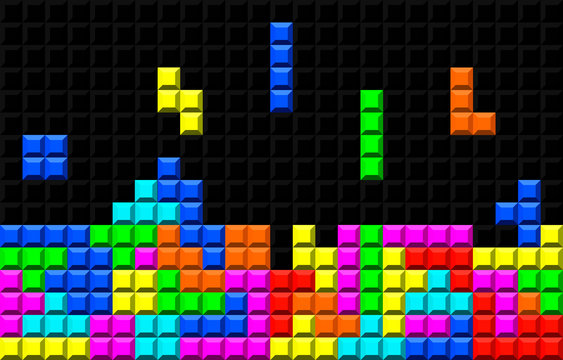
Published in The Lancet Psychiatry, the study focused on healthcare workers exposed to repeated traumatic stress during the COVID-19 pandemic. Instead of traditional talk therapy, researchers tested a brief digital intervention designed to disrupt how traumatic memories are stored and replayed in the brain.
Participants were first asked to recall a specific distressing memory briefly. They then completed a short mental rotation exercise before playing a slow-paced version of Tetris that required focused block rotation. The science behind it is grounded in cognitive psychology: traumatic flashbacks are often visual. By heavily engaging the brain’s visuospatial working memory, the same system used to rotate shapes in Tetris, the intervention appears to compete with and weaken the brain’s ability to replay those images vividly.
The results were notable. After one month, participants who received the intervention reported far fewer intrusive memories compared to the control group. Six months later, around 70% reported no intrusive memories at all.
For conditions like post-traumatic stress disorder (PTSD), where flashbacks can be deeply disruptive and treatment access remains limited, the implications are significant. While researchers stress this is not a replacement for comprehensive therapy, it could serve as a low-cost, scalable early intervention, particularly in high-stress environments or resource-constrained settings.
The broader takeaway is both hopeful and practical: sophisticated psychological breakthroughs do not always require complex technology. Sometimes, innovation lies in understanding how the brain works, and using that knowledge in unexpectedly accessible ways.