Fragment of the Iliad discovered sewn into Roman-era Egyptian mummy
Archaeologists working at the ancient city of Oxyrhynchus in Egypt have uncovered a remarkable burial in which a fragment of Homer’s Iliad was placed inside the abdomen of a mummy; the first known instance of a Greek literary text being incorporated into an Egyptian funerary context.
Fragment of the Iliad discovered sewn into Roman-era Egyptian mummy
Archaeologists working at the ancient city of Oxyrhynchus in Egypt have uncovered a remarkable burial in which a fragment of Homer’s Iliad was placed inside the abdomen of a mummy; the first known instance of a Greek literary text being incorporated into an Egyptian funerary context.
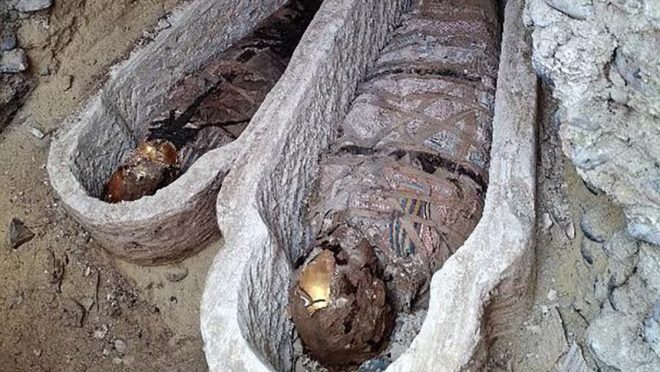
The mummy, dating to about 1,600 years ago during the Roman period in Egypt, was excavated at a cemetery near the modern town of Al-Bahnasa. Researchers found a piece of papyrus sewn into the corpse’s midsection that contains lines from The Iliad, specifically from Book II, which enumerates the fleet of Greek ships that sailed to Troy.
Previous discoveries at the same site had yielded papyri placed with mummies as part of embalming rituals, but those were typically magical or ritual texts. The discovery of an epic literary work in this context is unprecedented and suggests a unique intersection of Greek literary culture with Egyptian funerary traditions.
The excavation is part of an ongoing mission led by teams from the University of Barcelona and associated institutions, and experts say the find could shed light on late antique beliefs about death and the afterlife as well as the transmission of classical literature beyond its original cultural sphere.