Bangladesh’s digital morality circus and its failure of women
For the past few weeks, my morning tea has been going cold beside me as I scroll through the news on my phone. What begins as a routine glance at the day’s events quickly devolves into a numbing descent, the headlines blurring together as I sit staring at the screen, long after I should have looked away.
Bangladesh’s digital morality circus and its failure of women
For the past few weeks, my morning tea has been going cold beside me as I scroll through the news on my phone. What begins as a routine glance at the day’s events quickly devolves into a numbing descent, the headlines blurring together as I sit staring at the screen, long after I should have looked away.
For the past few weeks, my morning tea has been going cold beside me as I scroll through the news on my phone. What begins as a routine glance at the day’s events quickly devolves into a numbing descent, the headlines blurring together as I sit staring at the screen, long after I should have looked away.
As a woman in Bangladesh, it has become impossible not to internalise the terrifying consistency with which women are treated in this country. Their bodies, choices, grief, sexuality, and very survival are perpetually transformed into public battlegrounds, scrutinised, punished, dissected, and consumed across both offline and virtual spaces.
Every day brings a new spectacle, another woman reduced to a cautionary tale, and another tragedy warped into entertainment, offering a bleak reminder of how rapidly empathy is draining from our public culture.
This cruelty is not a series of random outrages erupting in isolated moments; it has become the defining rhythm of a rapidly mutating digital landscape where moral policing conceals a much darker undercurrent. From the public dehumanisation of deceased content creator Kaarina Kaisar and the gendered vilification of media figure Ishrat Zaheen Ahmed, to political gaslighting that blames maternal choices for measles outbreaks and institutional apathy surrounding sexual violence at Jahangirnagar University, Bangladesh’s public sphere increasingly functions like a weaponised panopticon. Complex systemic failures, personal tragedies, and even the brutal violation of children are flattened into digestible moral performances designed to maximise outrage, mockery, and digital engagement.
When Kaarina Kaisar passed away, a family’s desperate grief became material for public ridicule. Online users approached her death not with shared humanity, but with a resentment thinly disguised as moral judgement, framing her illness as the consequence of personal “lifestyle choices”. It is as though tragedy itself requires a pristine résumé before public empathy can be extended.
This tendency to rationalise suffering offers spectators a false sense of moral safety; if misfortune can be blamed on personal failure, people can reassure themselves that such tragedies will never touch them, making it far easier to mock vulnerability than to confront it.
This psychological deflection mirrored the discourse surrounding Ishrat Zaheen Ahmed, which followed a familiar, exhausting script: the construction of the “other woman” as the central villain. When allegations of an extramarital affair surfaced, the digital guillotine dropped almost exclusively on her, while male accountability remained predictably muted.
The outrage was never truly about the sanctity of relationships; it was about disciplining a visible, professionally successful woman, reinforcing the stereotype that women in the public eye are inherently threatening to traditional social structures. In these narratives, women are reduced to archaic archetypes while men retain agency, ambiguity, and easy social forgiveness.
The obsession with forcing women to bear the cross of collective morality is loudly echoed by public leadership, proving it is not confined to social media comment sections. When a political figure publicly attributed a tragic spike in childhood measles deaths to mothers “failing” to breastfeed by choice, a complex public health crisis fundamentally rooted in vaccine shortages and infrastructure gaps was outsourced as a failure of maternal instinct.
It is a terrifying form of political and cultural gaslighting. Rather than asking questions about administrative failures that lead to preventable deaths, political leaders find it easier to weaponise biology against women, sending a clear message: if the system fails, it must be because a woman failed her domestic duty.
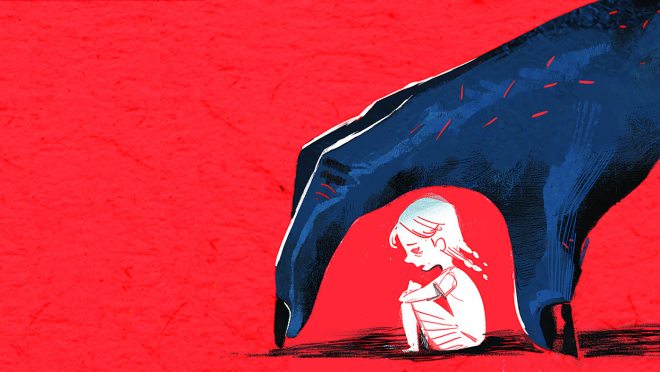
The absolute moral nadir of our digital ecosystem is laid bare in how the public consumes the ultimate tragedy: the violation of children. The horrific case of eight-year-old Ramisa did not trigger collective, solemn introspection. Instead, her tragedy was fed directly into the social media meat grinder, where details of her assault were sensationalised, and her identity objectified for clicks, engagement, and performative grief.
Social media users shamelessly commodified a minor victim and her family in the public square. When a child victim of brutal violence is reduced to digital currency, the boundary between raising awareness and predatory consumption entirely dissolves.
While it is comforting to view this machinery as an exclusively male enterprise, a rigorous critique demands looking at a much more uncomfortable, intimate truth: the active participation of women as agents of patriarchy. In the comment sections vilifying Ishrat Zaheen, mockingly dissecting Kaarina Kaisar’s life, or policing grieving mothers, thousands of the most vitriolic voices belong to women.
This is not a paradox, but a survival strategy deeply embedded in patriarchal bargains. In a society where a woman’s social capital and safety are tied entirely to her adherence to conservative purity standards, subverting other women becomes an act of self-preservation.
By publicly stoning the unconventional woman, internalised enforcers seek to signal their own compliance with the system, performing morality to buy temporary immunity, oblivious to the fact that the panopticon they are maintaining will eventually turn its cameras on them.
What social media has normalised is not criticism, but a culture of performative cruelty where visibility is interpreted as a forfeiture of privacy and empathy is replaced by spectacle. Perhaps the most alarming aspect of these incidents is the way “freedom of speech” is invoked to justify harassment and dehumanisation.
In many online spaces in Bangladesh, freedom of expression is increasingly understood not as a civic right accompanied by responsibility, but as unrestricted permission to insult, bully, and publicly degrade others.
There is a profound contradiction in using digital platforms to preach morality while engaging in behaviour rooted in cruelty and humiliation.
The problem is no longer simply one of declining values; it is the normalisation of emotional detachment in spaces that shape everyday public consciousness.
Until we confront the misogyny and performative moralism that sustain these reactions, and acknowledge how easily we outsource systemic failures onto the bodies and choices of women, digital and physical spaces in Bangladesh will remain hostile territories.
The reflection we see on our screens is not simply of the people being judged, but of a society that uses moral outrage to mask its profound decay.
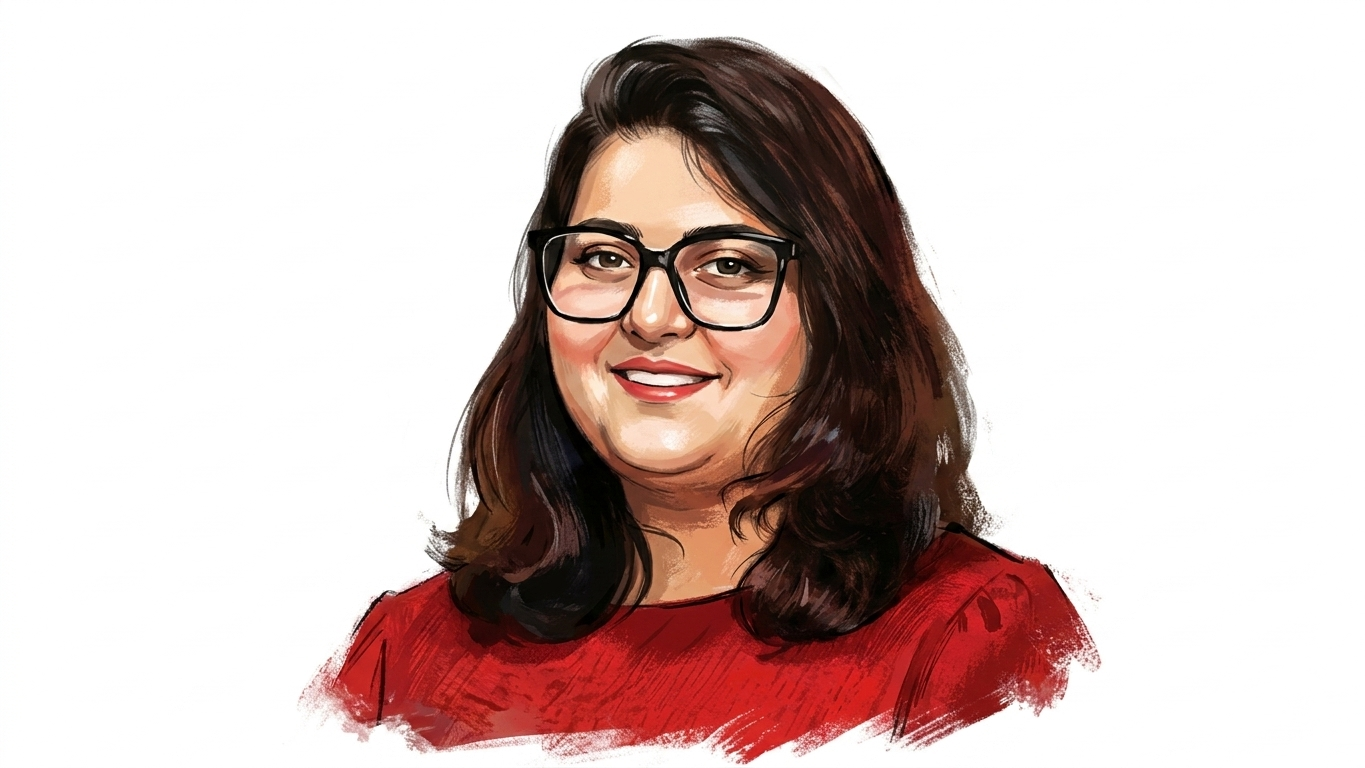
Zarin Tasnim is a Lecturer at the Department of Media, Communication, and Journalism at North South University and an assistant director at the Public Relations Office (PRO).