Black Flag Resynced and the nostalgia of freedom we can’t outgrow
-
“Leave her, Johnny, leave her!
-
Oh, leave her, Johnny, leave her!
-
For the voyage is long and the winds don’t blow,
-
And it’s time for us to leave her.”
-
-By a Gamer Who Never Truly Left the Caribbean
Black Flag Resynced and the nostalgia of freedom we can’t outgrow
-
“Leave her, Johnny, leave her!
-
Oh, leave her, Johnny, leave her!
-
For the voyage is long and the winds don’t blow,
-
And it’s time for us to leave her.”
-
-By a Gamer Who Never Truly Left the Caribbean
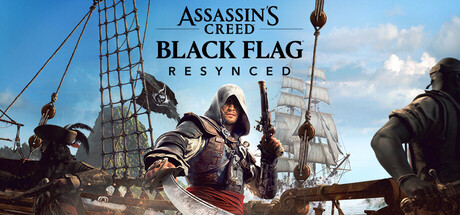
There are games we play, and then there are games that quietly become part of who we are.
In 2013, when we first set sail, few of us realised we were not just stepping into another instalment of Ubisoft’s long-running franchise. Rather, we were boarding a memory that would stay anchored in our lives for more than a decade.
Now, on 9 July 2026, that memory is set to return, reborn as a full remake promising to bring back the Caribbean with modern technology while preserving the soul that made players fall in love with it in the first place.
And for many gamers, this is not merely a remake. It feels like reopening a diary written in saltwater and song.
The story that made pirates humans
At the heart of Black Flag was never treasure, combat or even the Assassin Brotherhood. It was Edward Kenway, a pirate chasing fortune only to discover the unbearable weight of freedom.
Unlike traditional heroes, Edward began as a selfish dreamer. He was not noble. He was not chosen. He simply wanted more from life. And that is precisely why players connected with him. We watched friendships bloom and collapse. We witnessed loyalty betrayed, dreams shattered, and ideals slowly replaced by greed. By the time Edward stood alone near the story’s end, leaving his pirate life and all of his friends behind, many players felt something rare in gaming: quiet grief.
The remake arrives at a time when storytelling in games has grown cinematic, yet many still remember Black Flag as the moment when emotional narrative and open-world freedom truly met. This return is not about improving graphics; it is about reliving a journey that once made millions unexpectedly emotional.
The Caribbean that felt alive
Few virtual worlds have ever breathed like the Caribbean of Black Flag. Sailing between Havana, Nassau, and Kingston was not fast travel; it was meditation. The ocean stretched endlessly, storms rose without warning, and the horizon promised possibility. Players did not rush objectives. They lingered. They hunted whales at sunrise, explored forgotten islands, or simply allowed the Jackdaw to drift while waves struck its wooden hull.
Modern open worlds owe much to this philosophy: that exploration should feel personal, not mechanical.
Black Flag Resynced promises a rebuilt ocean system, dynamic weather, and living ports, but what fans truly hope returns is that feeling of peaceful loneliness only the sea could provide.
The Shanties
Ask any longtime fan what they remember most, and many will not mention combat or missions. They will mention the songs.
The shanties were more than background music; they were emotional anchors. As sailors sang “Leave Her, Johnny”, “Drunken Sailor”, or “Lowlands Away”, something magical happened: the player stopped being an observer and became part of a crew.
Gaming rarely creates shared musical nostalgia, yet Black Flag did exactly that. Those melodies transformed routine sailing into emotional storytelling. Long voyages became reflective moments where players felt companionship despite sitting alone in front of a screen.
For countless gamers, hearing a shanty again in the remake will not just trigger nostalgia; it will reopen memories tied to specific moments in life: school days, late-night gaming sessions, friendships formed online, or simpler years now gone.
Why this remake matters now
The gaming industry has changed dramatically since 2013. Worlds are larger, graphics are sharper, and mechanics are more complex. Yet many players argue that something essential has sometimes been lost: heart.
The announcement of Black Flag Resynced reignited conversations across communities because it represents a return to an era when games felt adventurous rather than overwhelming. This remake is arriving not only for veterans but for a new generation who never heard the Jackdaw’s sails crack in the wind or watched Edward Kenway slowly understand what truly mattered. It bridges two eras of gaming.
Nostalgia
Nostalgia in gaming is often misunderstood. It is not resistance to progress. It is recognition: recognition of who we were when we first played, recognition of nights when responsibilities were fewer and imagination felt limitless, recognition that certain stories grow with us rather than fade away.
When Assassin’s Creed: Black Flag Resynced launches this July, players will not simply revisit a game. They will revisit a feeling: a feeling of freedom, of discovery, of standing at the helm of a ship while the crew sings into the wind, believing, even briefly, that the horizon belongs to us.
And perhaps that is why the excitement feels so deeply emotional. Because some voyages never truly end. They simply wait for the tide to bring us back.