Slept for 8 hours but still feel tired? Here's why
Not feeling rested, despite 8 hours of sleep? Here’s why even proper sleep and rest don’t make you feel fresh.
Slept for 8 hours but still feel tired? Here's why
Not feeling rested, despite 8 hours of sleep? Here’s why even proper sleep and rest don’t make you feel fresh.
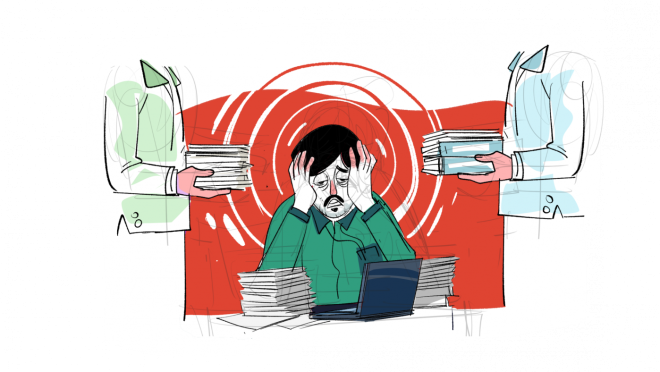
There is a specific kind of frustration that comes with waking up after a full night of sleep and still feeling completely drained. You did everything right, went to bed at a reasonable hour, clocked the hours, and yet the exhaustion is still there waiting for you in the morning.
For a lot of people, this isn’t a sleep quantity problem at all. It’s a sleep quality problem, and anxiety is often sitting right at the centre of it. Dr Chandni Tugnait, MD (A.M) Psychotherapist, life alchemist, coach and healer, founder and director of gateway of healing, shared the reason.
The nervous system is still awake
According to Dr Chandni, your nervous system didn’t actually rest. “Sleep isn’t just about the hours, but also about what your body and mind are doing during them,” added Dr Chandni.
When anxiety is present, the nervous system stays in a low-level state of alertness even while you’re asleep. You might be unconscious, but underneath that, your body is still running a quiet background check for threats. That kind of sleep is technically sleep, but it isn’t restorative, which is why you can wake up feeling like you never really switched off.
The mind keeps working while the body sleeps
“Anxiety has a way of continuing its work in the background, often showing up as vivid or unsettling dreams, frequent waking through the night, or a general sense of unease that’s hard to name when you open your eyes in the morning,” said Dr Chandni. None of these necessarily wakes you up completely, but they interrupt the deeper stages of sleep that are responsible for actually restoring your energy.
Worrying about sleep makes it worse
“One of the more frustrating aspects of sleep anxiety is that it tends to feed itself,” said Dr Chandni. The more concerned you become about whether you’re sleeping well enough, the more activated your mind gets around bedtime, and the more likely you are to have exactly the kind of restless night you were trying to avoid. The anxiety about sleep becomes its own obstacle to sleeping well.
What actually helps?
Dr Chandni recommends that the most useful shift is moving away from trying to control sleep and towards creating conditions where it can happen more naturally.
Winding down properly before bed, keeping the hour before sleep free from screens and stimulation, and addressing the underlying anxiety rather than just the sleep symptoms tends to make a far more lasting difference than tracking hours ever will. Sometimes the body just needs permission to rest, rather than pressure to perform.
Note to readers: This article is for informational purposes only and not a substitute for professional medical advice. Always seek the advice of your doctor with any questions about a medical condition.