I.G.I.-2 Covert Strike: A CD, a computer and an entire afternoon
I.G.I.-2 Covert Strike: A CD, a computer and an entire afternoon
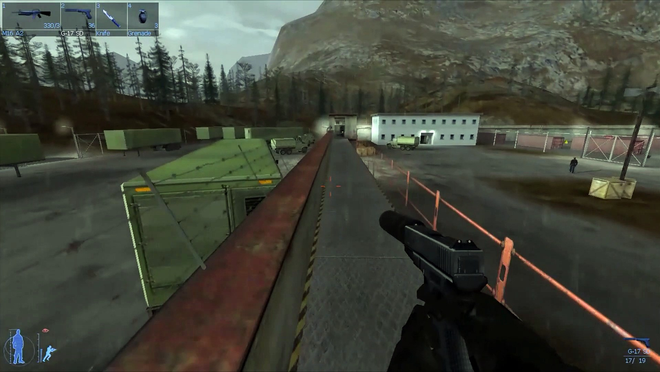
There was a time when I looked for a computer to simply play a game. Playing a computer game did not require a gaming chair, a high-resolution monitor, or an internet connection then. All it required was knowing someone who had a computer. And if that person had IGI 2 installed, you had found your afternoon. During the craze of the new GTA, I thought it best to reminisce about the old game I still miss today.
IGI 2: Covert Strike was a first-person tactical shooter and stealth-action game where you played as David Jones, moving through military bases and enemy territories, completing missions that usually involved a mixture of shooting, sneaking, finding your way through guarded areas, and trying not to get yourself killed. At least, that was the idea.
But honestly, the game was never just about the missions. For many of us growing up, it was an excuse to leave home, walk to a friend’s house, sit in front of a bulky computer, and disappear into another world for a few hours. Sometimes we went because we genuinely wanted to play. Sometimes we went because we knew someone else had the game installed. And sometimes, we probably went without even asking whether they were free.
There was something strangely exciting about bringing a game home on a CD. You would get the disc somehow, borrow it from a friend, copy it from someone who had already installed it, or buy one from a computer shop. And then came the ritual: insert and start the installation.
‘Wait. Wait some more. Maybe something would go wrong halfway through. Maybe the computer would not have enough space. Maybe you would have to install something else first.’
And then, after all that waiting, the game finally opened. The IGI 2 menu appeared on the screen. That was it. Childhood had officially begun for the day.
I don’t remember thinking about the technical aspects of the game. I didn’t care about graphics, frame rates, game engines, or whether the mechanics were realistic. Back then, if the character moved when we pressed a key and the gun fired when we clicked, it was more than good enough.
And then, inevitably, someone would become impatient.
‘Run, run, run!’ ‘Luka!’ ‘Oidike jaish na!’ ‘Save kor!’ A couple of words, but an entire review of childhood Nobel.
There was always someone sitting beside you, giving instructions and cheat codes as if the entire operation depended on him. And perhaps, in that moment, it did.
That is what I remember most about IGI 2. There would be three or four of us crowded around the computer. One person played. Another knew the mission. Someone else was simply there to watch. Every few minutes, the keyboard would change hands.
‘Let me play now.’ ‘No, you died last time.’ ‘I know how to do this mission.’ And somehow, an entire afternoon could disappear. The funny thing is that we never called it nostalgia back then. We were living those days we call memories today.
We didn’t know that one day we would miss the tick-tick sound of that old computer starting up, that particular feeling of sitting inches away from a monitor, with the room slightly dark and everyone gathered around, would take days and weeks now to communicate.
Today, games are technically far more impressive. IGI 2 belonged to a different kind of gaming. It belonged to the era when a game could become a social event.
‘Bhai, IGI ase?’ If the answer was yes, the rest of the day was sorted.
Sometimes I wonder whether we actually miss IGI 2 itself or whether we miss everything that surrounded it. We miss copying games from CDs. We miss having to physically go somewhere to share an experience. Most importantly, perhaps, we miss the version of ourselves that existed when IGI 2 was just a game and not a memory.
And a much younger version of ourselves, sitting there completely convinced that nothing in the world was more important than finishing the next mission.
And perhaps that is why, years later, when someone simply says IGI 2, we don’t remember the game first. We remember going to someone’s house. We remember the computer. We remember the people around us. And for a moment, childhood feels only one mission away.