Climate change raises risk of worse floods than 2004, experts warn
If a storm on the scale of the devastating 2004 Manawatū flood struck the region now, scientists and local leaders warn the consequences would likely be even worse because of climate change and its influence on extreme weather.
Climate change raises risk of worse floods than 2004, experts warn
If a storm on the scale of the devastating 2004 Manawatū flood struck the region now, scientists and local leaders warn the consequences would likely be even worse because of climate change and its influence on extreme weather.
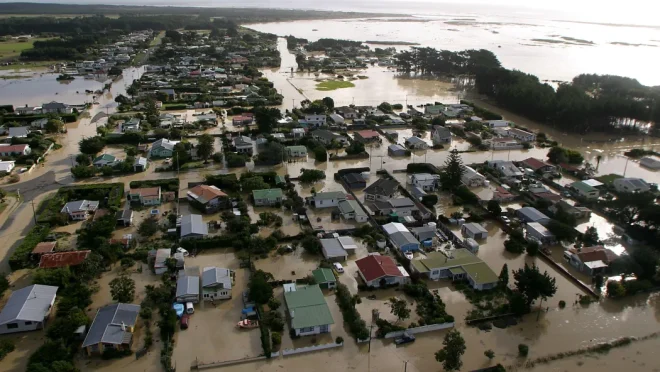
The February 2004 floods, one of the most severe events in decades in the lower North Island, forced evacuations, damaged homes and infrastructure, and became a turning point for how local councils plan for floods. While Horizons Regional Council invested in flood protection, such as strengthened stop banks, riverbank stabilisation and wider civil defence measures, experts now say future extremes are on track to exceed that benchmark event.
Climate scientists point to a clear trend: as global temperatures rise, the atmosphere can hold more moisture, which fuels heavier rain and intensifies storms. This means that the same weather patterns that produced a catastrophic flood two decades ago could unleash more water on an already vulnerable landscape if they happened today.
Horizons’ leadership acknowledges this changing risk. Chief executive Michael McCartney said flood mitigation investment over the past 20 years has improved resilience, but councils must also accept that infrastructure can only reduce, not eliminate, the power of nature.
Climate scientist Sam Dean emphasises that the frequency of extreme events is shifting. What was once considered a one-in-100-year flood may become a one-in-50-year or even more common occurrence as a warming climate increases the likelihood of intense rainfall and weather extremes.
The implication for communities across New Zealand is stark. Even with significant adaptations and protective measures, the foundational climate drivers that increase flood risk, warm, moisture-rich air and changing weather patterns, are not going away. That puts added pressure on local authorities, emergency planners and residents to rethink how they prepare for, respond to, and live with flood hazards in a warming world.