Emperor penguins and Antarctic fur seals endangered in Antarctica
Two of Antarctica’s most recognisable species, the emperor penguin and the Antarctic fur seal, have been officially classified as endangered, underscoring the intensifying impact of climate change on polar ecosystems.
Emperor penguins and Antarctic fur seals endangered in Antarctica
Two of Antarctica’s most recognisable species, the emperor penguin and the Antarctic fur seal, have been officially classified as endangered, underscoring the intensifying impact of climate change on polar ecosystems.
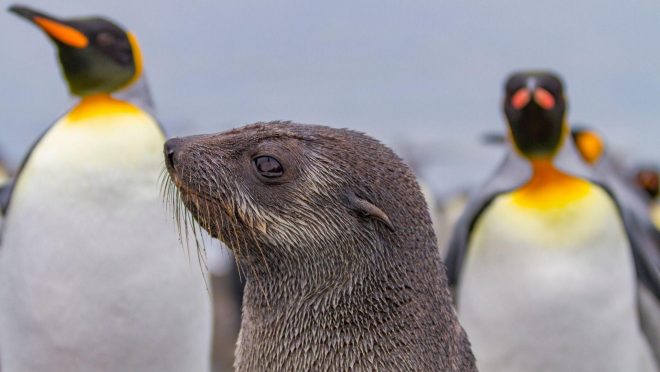
The updated status was announced by the International Union for Conservation of Nature (IUCN), which cited rapid sea ice loss, rising ocean temperatures and declining food availability as key drivers behind the population declines.
Emperor penguins, the largest of all penguin species, rely on stable sea ice for breeding and raising their chicks. Scientists warn that warming temperatures are causing sea ice to break up earlier in the season, leaving chicks vulnerable before they develop waterproof feathers. In recent years, several breeding colonies have experienced widespread chick mortality after ice platforms collapsed prematurely.
Satellite monitoring and population models indicate that emperor penguin numbers have already fallen sharply, with projections suggesting further steep declines if current warming trends continue.
Antarctic fur seals have also seen their status downgraded following a population drop of more than 50 percent over the past few decades. Researchers attribute the decline primarily to changes in the availability of krill, a crucial food source, as warming oceans and reduced sea ice disrupt the Antarctic food web.
Krill populations are increasingly moving to deeper waters, making it harder for seals, particularly juveniles, to feed effectively. The resulting food scarcity has led to lower survival and reproduction rates across multiple colonies.
Conservationists say the new endangered listings serve as a warning sign for the broader health of the Antarctic ecosystem. Without significant reductions in global greenhouse gas emissions, scientists caution that many ice-dependent species could face similar declines across the region.