Education around the globe ft. Japan
Education around the globe ft. Japan
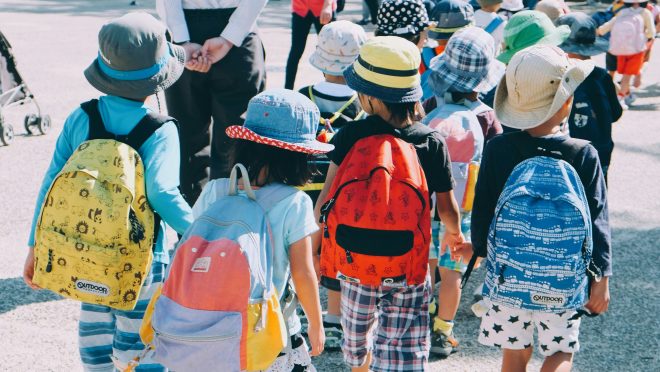
Can you imagine a school where children spend most of their time learning about kindness or values rather than boring algebra? Children clean the floor of their school to share duties with their teachers? A place where children are taught that being a second late is almost a crime.
No, not talking about an alien land. It is the reality of Japan, famous for its extremely efficient and disciplined education system.
Stronger foundation
Japan’s approach to elementary education defies long-held beliefs about early childhood learning. During the first three years of formal schooling, Japanese educators intentionally move the emphasis away from academic assessment. Instead, they focus on instilling good behaviour, mutual respect, and a collaborative attitude in young kids.
This isn’t only about training youngsters to sit quietly and obey instructions. The philosophy runs deeper.
Daily classroom cleaning is more than a chore; it teaches kids about equality and shared responsibility of public spaces. Students of various abilities, from the brightest to those who are struggling academically, contribute to the upkeep of their learning environment.
Lunch hours are changed into cooperative activities, with kids taking turns serving meals to classmates and cleaning up afterwards. These seemingly simple exercises instil self-control and communal consciousness in young minds.
Once this foundation is laid, the cerebral intensity rises dramatically.
Students must complete rigorous entrance tests to determine their educational career. Outsiders may find the transition disturbing, but the previous emphasis on discipline and perseverance has prepared pupils for this challenge.
The results say a lot about why Japan always comes in first in international maths and scientific tests, and it does so while keeping its cultural identity centred on hard work and ongoing improvement.
Next stages
According to the Embassy of Japan, elementary school takes six years to complete. Then students of Japan enrol themselves in the lower secondary school. It takes three years to complete.
It marks the end of the compulsory education for Japanese students. Then they move to higher secondary schools. So, in total, 12 years of total schooling need to be completed before entering higher education.
According to the Study in Japan website, there are different options, including universities, junior colleges, and specialised training schools.
Undergraduate degrees normally take four years to complete, although medical courses require six years.
After graduation, students can pursue a master’s degree, which typically lasts two years and requires 30 course credits.
For the highest level, doctoral programmes take another three years after completing a master’s degree at According to educational statistics, only about 3% of undergraduates continue to PhD level.
Interestingly, some universities allow students to enter doctoral programmes directly after their bachelor’s degree, extending the PhD duration to five years total.
The academic year runs from April to March, with entrance exams typically held between January and March. (From Hotcorsesabroad)
X-factor
What is Japanese education unique? It’s how pupils learn as equals. According to educational research, Japan implements automatic promotion, which moves children to the next grade based on age rather than exam scores. This implies that classmates can grow together throughout the school year without being held back.
Another unique feature is the emphasis on character development. Moral education is taught as a formal subject, emphasising empathy, respect, and civic responsibility.
Students also clean their own classrooms on a daily basis, instilling responsibility from an early age. The approach prioritises general education above focused vocational training, assuming that employers will supply job-specific training later.
This method results in well-rounded graduates with solid foundational knowledge. Perhaps the most exciting aspect is the entrance exam method. These high-stakes assessments shape students’ future paths, resulting in heated competition.
Final thoughts
Our target is not to make a replica of Japan’s education system. Rather, we have to pave the way for an education system where our cultural identity, traditional values, and global competitive factors get prioritised. A system where the spiritual as well as the worldly factors are addressed and taught how to deal with actual life.
Can you name any?