Mobile photography: Timing and patience, not bells and whistles
Almost everyone has a good camera, but few have good photos.
Mobile photography: Timing and patience, not bells and whistles
Almost everyone has a good camera, but few have good photos.

Let’s be real, your phone camera is not the problem. It hasn’t been for a long time. In the era of 50x zoom, ultra-wide cameras, night mode, and AI image enhancers, smartphones have genuinely become powerful enough to take incredible-quality photographs.
Yet sometimes, the photos we take are simply lacklustre at best.
Mobile photography is not about secret settings or expensive apps. It is about paying attention to the screen and timing the shots right.
Always remember to clean your lens. Fingerprints can ruin a perfectly good photo and make you wonder, “Why didn’t I wipe my lens before?” A quick wipe can instantly make your image look sharper, clearer, and less depressing.
Your back camera is your best friend. It handles light better, captures more detail, and does not flatten your photos into the same old boring perspective. You will need to guess the angles right, but that is part of the memo, and a little effort will go a long way.
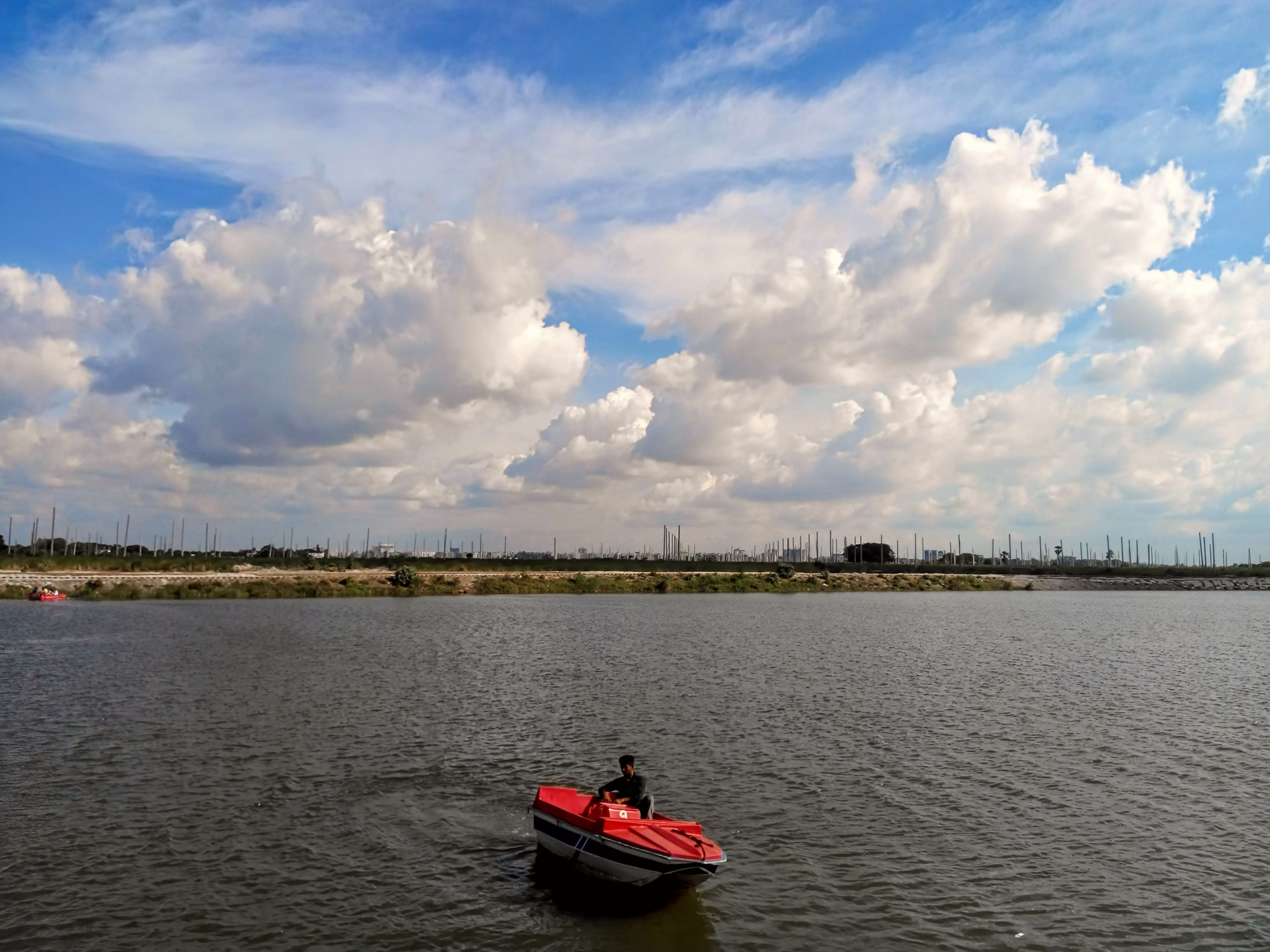
Photo: Chowdhury Sakib Shahariar
You might think megapixels matter the most, or the phone brand. But what truly matters most is good lighting. Avoid hard overhead bulbs and go for natural light. You can always invest in a good portable light to really amp up your photos. Always remember, bad lighting can make the most aesthetic scenes look like CCTV footage.
Most phones these days come with a minimum of three cameras. This means better zooming capabilities. When you are zooming, always make sure that the framing is done right. Use the grid option in your camera, even though it might be a little inconvenient, but using it will result in photos that are perfectly framed and scratch that itch in your brain.

Photo: Chowdhury Sakib Shahariar
Remember to adjust the focus and exposure whenever necessary. Nothing is worse than a perfect photo that is out of focus. So always tap the screen before you tap the shutter.
Reserve portrait mode for people only. It is usually awful for inanimate objects like your coffee cup or scenery. Ultra-wide lenses are great and dramatic, but the photos are sometimes distorted. Unless you are opting for dramatic effects, do not use your ultra-wide lens.
While editing, always remember that less is more. Tweak the highlights and shadows to make the image pop, but stop before the image gets “overcooked”. One editing app is enough; too many ruin the vibe.

Photo: Chowdhury Sakib Shahariar
This is exactly what TBS Graduates’ “Call for Photography” is about. It invites students and young graduates to slow down, notice what often goes unseen, and frame moments that carry meaning.
There is no requirement for costly equipment or professional markings. What matters is steady hands, good timing, and the ability to see something real in the everyday and let the image speak.
Everyone has a good camera now. The difference is who slows down long enough to use it right.