Are you eating right at iftar and suhoor?
Ramadan is a month of discipline and balance. It is not about overeating but about mindful nutrition. Proper meal planning, adequate hydration, and light exercise can make fasting healthier and more comfortable.
Are you eating right at iftar and suhoor?
Ramadan is a month of discipline and balance. It is not about overeating but about mindful nutrition. Proper meal planning, adequate hydration, and light exercise can make fasting healthier and more comfortable.
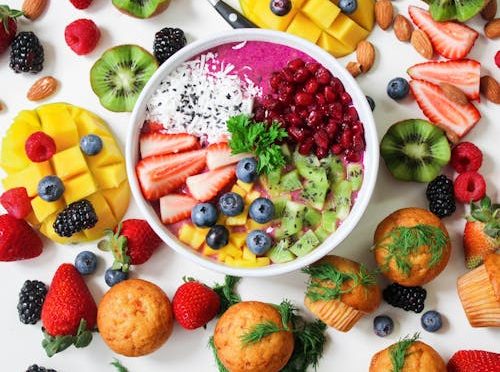
Every evening during Ramadan, tables are often filled with deep-fried snacks — beguni, piyaju, alur chop — alongside syrup-soaked jilapi and sugary drinks.
While these foods are a familiar part of iftar culture, many people later experience bloating, acidity, fatigue, and discomfort.
Iftar (sunset) and suhoor (pre-dawn) meals are not just about satisfying hunger — they are crucial for maintaining energy, hydration, and overall nutritional balance.
In an interview with The Business Standard, nutritionist Dr Tamanna Chowdhury outlined the right nutrition to support a healthier lifestyle, where people can truly benefit from fasting. “Fast, smart and don’t feast,” she says.
“During Ramadan, we abstain from food all day, but overeating fried and sugary foods at iftar puts extra stress on the body. Without balanced nutrition, the health benefits of fasting can be compromised,” explains Dr Tamanna.
Routine: Breaking the fast
- Start Light
Begin with 1–3 dates and a glass of water, milk, or fresh juice, and include fruits. Enjoy a small bowl of lentil or vegetable soup.
Take a short break after this, then you can pray or do light exercise.
Dr Tamanna advises, “Eating heavy meals immediately after fasting can cause acidity and digestive discomfort.”
- Main Plate Structure
- Complex Carbohydrates (¼ plate): Brown rice, whole wheat roti, oats. These provide slow and steady energy and prevent sudden spikes in blood sugar.
- Protein (¼ plate): Fish, chicken, eggs, lentils, chickpeas. Protein maintains muscle strength, keeps you full longer, and reduces weakness.
- Vegetables & Fibre (½ plate): Fresh salads, sautéed vegetables, or light soups supply vitamins, minerals, and hydration.
Healthy Fats (small amount): Olive oil, nuts, or seeds aid nutrient absorption and promote fullness.
We also took notes from Cardiologist Dr Tanvir Islam. He says, “Deep-fried foods and heavy sweets increase cholesterol levels. Many people actually gain weight during Ramadan due to uncontrolled eating at iftar.”

Peanut Butter Stuffed Dates. Photo: Collected
Daily Suhoor Routine: Fuel for the Fasting Day
Dr Tamanna explains, “Suhoor should be designed to sustain energy throughout the day.”
- Balanced Options:
- Oatmeal with milk, dates, and nuts
- Yogurt with fruit and seeds
- Whole-grain roti with eggs or paneer, with a side of cucumber or salad
Another expert, Dr Raysa, also chimed in and said, “During Ramadan, your plate should be planned carefully. Instead of overeating fried foods, focus on balanced and moderate meals.”
- Hydration is Key
Dr Tamanna recommends drinking at least 2.5 litres (8–10 glasses) of water between iftar and suhoor. Drink water gradually, and include healthy options like coconut water or lemon water. Avoid sugary drinks and carbonated beverages.
Light Exercise
Gentle physical activity is best during fasting. Consider:
- 20–30 minutes of walking
- Light yoga
- Stretching exercises
- Gentle movement after prayers

Oatmeal Khichuri. Photo: Collected
Additional Tips
- Avoid very salty or fried foods and limit caffeine to prevent thirst
- Eat slowly and stop when comfortably full
- Special groups, such as the elderly or people with diabetes, should focus on easy-to-digest, nutrient-rich foods and monitor sugar intake
- Plan meals in advance to avoid impulsive or less nutritious choices
Ramadan is a month of discipline and balance. It is not about overeating but about mindful nutrition. Proper meal planning, adequate hydration, and light exercise can make fasting healthier and more comfortable.
The question remains: Will we continue to feast — or choose mindful fasting this Ramadan?