Foods to avoid to protect your enamel
You are at risk of enamel erosion if proper precautions are not taken. Find the complete guide to protecting your teeth below, along with early warning signs
Foods to avoid to protect your enamel
You are at risk of enamel erosion if proper precautions are not taken. Find the complete guide to protecting your teeth below, along with early warning signs
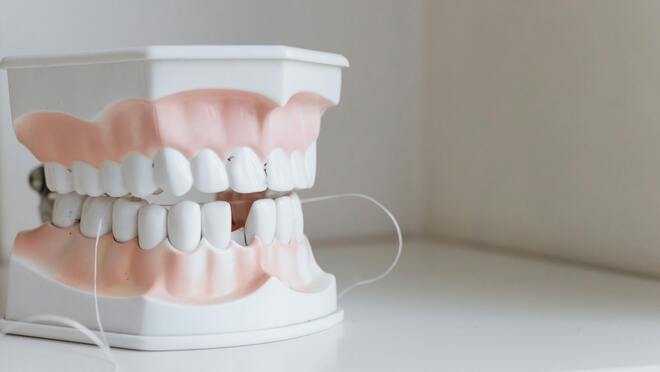
Monitoring eating habits is one of the key ways to stay in shape, whether it involves cutting back on certain foods or choosing healthier options. But did you know that paying attention to what you eat can also benefit your dental health by helping prevent enamel erosion?
To understand which foods and beverages can contribute to enamel erosion, HT Lifestyle reached out to Dr Ashish Kakar, senior consultant in prosthetic dentistry at Indraprastha Apollo Hospital, New Delhi.
The dentist highlighted the importance of enamel, explaining why it is indispensable. He drew an analogy of enamel being a tough armour and noted, “It defends your teeth every single day. It helps prevent acids and bacteria from penetrating the deeper layers of the tooth, insulates them from temperature changes, and absorbs pressure from chewing and grinding.”
The doctor pointed out that several everyday habits, from drinking lemon water in the morning and having berry smoothies to sipping an evening cup of tea, can slowly wear down tooth enamel.
Why should you be worried and rectify your eating habits? Dr Kakar warned, “Enamel has no living cells. Once it’s worn away, it cannot regenerate. And that’s where the problem lies.” This means enamel is non-renewable, and it cannot heal itself after any damage, making enamel loss permanent.
Foods to limit
The dentist revealed which foods and beverages you need to be careful about if you want to protect your dental health. It includes both packaged and natural foods, too.
Dr Kakar mentioned, “Acidic foods aren’t limited to colas or packaged drinks. Many natural foods we associate with are acidic too, such as oranges, tomatoes, vinegar, berries, and even certain chutneys.”
He further explained that acidity is measured by pH, with anything below 7 considered acidic and the lower the pH, the stronger the acid and the greater the potential damage.
“Lemon juice, for instance, can have a pH of around 2. Orange juice sits between 3 and 4. Even tomato-based dishes like sambhar or chaat can fall into the acidic range,” he noted.
The doctor also explained the process of enamel thinning. “When these acids come into contact with your teeth frequently, they temporarily soften the enamel. If you brush immediately after consuming them, which many people do, believing it’s “good hygiene,” you may actually scrub away this softened top layer, losing it forever.”
He concluded, “Over time, this leads to enamel thinning. Teeth begin to appear yellower as the underlying dentin becomes visible. Sensitivity increases, and the natural shine of your smile fades.”
Early warning signs
The dentist cautioned that while one may not immediately see enamel erosion, there are some common signs which point to it. He listed:
- Dullness or loss of shine in teeth.
- Yellowish appearance, as the inner dentin becomes visible.
- Rounded or translucent edges, especially on front teeth.
- Frequent chipping.
- Sometimes sensitivity to hot, cold, or sweet foods.
How to protect enamel: Diet, hygiene, and brushing tips
Prevention is the way forward. Dr Kakar outlined some practical tips, from diet to brushing hacks:
1. Diet
- Pair acidic foods with low-acid options like cheese, milk, or cucumber. Dairy helps balance your mouth’s pH and provides calcium to strengthen enamel.
- Include calcium-rich foods like yoghurt, paneer, and leafy greens to naturally support enamel health.
- Use a straw when drinking sour sodas, lemonades, iced tea, or other acidic beverages to reduce contact with your teeth.
- Stay hydrated, sip water frequently. Water washes away acids and supports saliva production, your mouth’s natural defence system.
- 2. Hygiene
Maintaining good oral hygiene isn’t just about fresh breath; it’s about protecting what can’t grow back.
- Visit your dentist regularly to spot early signs of enamel wear.
- Limit frequent snacking between meals to give your enamel time to recover.
- Rinse your mouth after every meal, don’t brush immediately.
3. Brushing tips
- Avoid brushing immediately after acidic meals. Wait at least 30 minutes to allow enamel to re-harden naturally.
- Use a soft-bristled toothbrush to minimise surface abrasion.
- Brush gently in circular motions, not side-to-side, to protect enamel edges – ask your dentist about brushing techniques.
- Choose a fluoride or enamel-strengthening toothpaste that helps replenish lost minerals and strengthen your enamel barrier.
- Brush twice a day, ideally once in the morning and once before bed.
- Replace your toothbrush every three months. If the bristles appear worn sooner than 3 months, you may want to check if your technique is right.
Note to readers: This article is for informational purposes only and not a substitute for professional medical advice. Always seek the advice of your doctor with any questions about a medical condition.