Invisible plastics are contaminating our kitchen and food
Tiny pieces of plastic are now in almost everything we eat and drink.
Invisible plastics are contaminating our kitchen and food
Tiny pieces of plastic are now in almost everything we eat and drink.
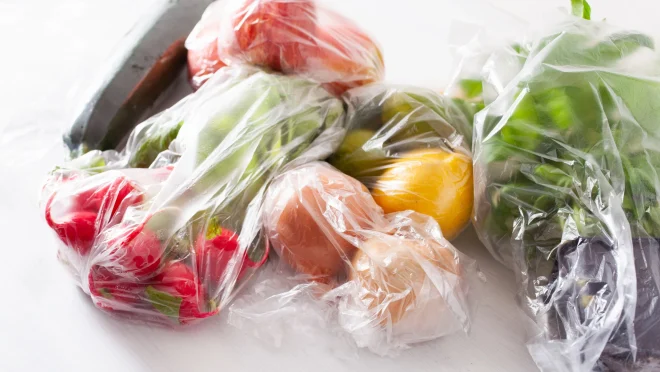
They can come from taps, cookware, packaging, and even the food itself. From the yolks of eggs to the meat on your plate, microplastics are invisible but widespread.
According to a BBC report, these particles, called microplastics if they are smaller than 5mm and nanoplastics if they are between 1 and 1000 nanometres, enter our diet through multiple routes. They can flake off utensils, leak from bottles, or even seep into hot meals while cooking.
How plastics enter what we eat
Microplastics are found in vegetables, fruits, meat, fish, honey, bread, and dairy. Crops can absorb plastics from contaminated soil and animals can ingest them through feed. During food processing, packaging and factory equipment introduce more plastics. The more processed the food, the higher the chance it contains microplastics.
Some foods can be cleaned to reduce exposure. Rinsing rice before cooking can remove 20 to 40 percent of plastics. Washing meat or fish can also help. Other foods, such as salt, often contain plastics that cannot be removed.
Water is another common source. Both bottled and tap water contain microplastics. Simply twisting a plastic bottle cap can release hundreds of particles per litre. Using a tap filter, like a carbon pitcher, can remove up to 90 percent of microplastics.
Even tea bags may contain plastic. When hot water passes through, billions of micro- and nanoplastic particles can end up in your cup. Choosing plastic-free bags reduces this exposure.
Containers, utensils, and cooking surfaces
Plastics in food packaging, chopping boards, mixing bowls, and non-stick pans can all shed particles. Scratched or worn items release more. Silicone can be a safer option but it can still break down under high heat. Glass, stainless steel, and specially designed biodegradable plastics are alternatives.
The hotter the food or liquid, the more plastics are released. Microwaving food in plastic containers or pouring hot drinks in plastic cups produces millions of tiny particles. Salt and fatty foods can further increase plastic leaching.
Cleaning adds more plastic
Even washing dishes can introduce microplastics. Disposable sponges and synthetic cloths release millions of particles as they wear down. Detergents can make this worse. Synthetic fabrics also shed plastics, which eventually reach oceans.
Experts recommend replacing old or damaged items and gradually switching to plastic-free alternatives. Rinsing food, filtering water, and eating less ultra-processed food can all help reduce exposure. A complete kitchen overhaul is unnecessary, but small steps make a difference.
Studies have found microplastics in almost every organ tested, including the brain, blood, and placenta. The full impact on health is still unclear. Some particles may pass through the body safely, while others might accumulate. Scientists are continuing to study the effects of these tiny intruders.