Small steps today, healthier brains tomorrow: How to protect your mind as you age
Misplacing your keys or forgetting a familiar name isn’t unusual as we get older. While many assume cognitive decline is an inevitable part of ageing, research shows it doesn’t have to be.
Small steps today, healthier brains tomorrow: How to protect your mind as you age
Misplacing your keys or forgetting a familiar name isn’t unusual as we get older. While many assume cognitive decline is an inevitable part of ageing, research shows it doesn’t have to be.
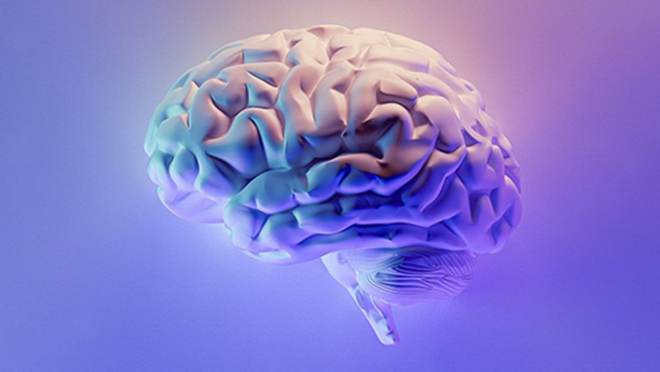
From birth, our brains are in a state of rapid growth. In infancy, more than a million new neural connections form every second. During childhood and early adulthood, these connections stabilise, and by our 30s, the brain reaches an “adult” phase. Yet, signs of ageing typically start to appear in our 60s. Crucially, these changes are not uniform: lifestyle, social interaction, and mental stimulation can all influence how resilient our brains remain over time.
Maintaining cognitive function is similar to keeping muscles strong. Engaging in education, socialising, work, and leisure activities helps build what scientists call a “cognitive reserve” – the brain’s ability to compensate for age-related changes and potential damage. Large studies confirm that staying mentally and socially active can significantly delay or even prevent the onset of dementia.
There are practical, evidence-based steps anyone can take to support their brain and overall health throughout life. This article, originally reported by the BBC, draws on the latest science to highlight ways to live well for longer.
Try new things
Learning new skills stimulates the brain. Gardening, for instance, has been shown to improve cognitive function while also offering physical exercise. Picking up a new hobby, such as learning a language or playing an instrument, strengthens neural connections and can delay the onset of Alzheimer’s symptoms by several years. Psychologist Alan Gow from Heriot-Watt University in Edinburgh emphasises that “significant cognitive decline is not an inevitable consequence of ageing… we have opportunities to protect and promote brain health at every age.”
Fuel your brain
Diet plays a major role in cognitive wellbeing. Increasing intake of fruits, vegetables, fibre, and healthy fats such as those found in oily fish or walnuts can protect against neurodegenerative disease. Reducing saturated fats from processed meats and ensuring adequate intake of choline – present in eggs and other animal foods – supports memory and mental health. Even small dietary changes, like adding an extra portion of vegetables per day, have measurable benefits.
Move your body
Exercise benefits both body and brain. Regular activity – even light to moderate movement such as walking or climbing stairs – strengthens brain regions vulnerable to dementia. Research shows that adults who are most active in midlife can lower their dementia risk by up to 45%. Exercise also boosts mood, reduces depression, and promotes overall wellbeing. Melanie Burke, professor of cognitive ageing at Leeds University, notes: “Internal factors like feeling well are much more important than external signs of ageing… if you feel well, you look well.”
Prioritise social connections
Maintaining friendships and engaging in meaningful social interaction can influence longevity as much as diet or exercise. Evidence shows that people who are socially connected have stronger immune systems, better heart health, and a lower risk of early mortality. Even simple routines, like meeting friends for coffee or joining a hobby group, can strengthen both mental and physical resilience. The World Health Organization has described social connection as a “global health priority.”
Adopt small, consistent changes
The key message from decades of research is that small, consistent adjustments to lifestyle can yield lasting benefits. The Finnish Geriatric Intervention Study (FINGER), for example, demonstrated that participants aged 60 to 77 who followed a two-year programme combining exercise, diet, cognitive training, and cardiovascular care improved their overall cognitive function by up to 25% compared with those who received standard health advice.
Gow summarises it simply: focus on “marginal changes today.” Trying a new hobby, walking a little more, adjusting your diet, or maintaining social contact may seem minor, but together these changes strengthen your brain and body, enhancing your health now and in later life.
By embracing these science-backed strategies, we can all take proactive steps to protect our minds, boost wellbeing, and live well for longer – proving that cognitive decline is not inevitable, but preventable.