Friction-maxxing is the new fix for failing focus
As concerns grow over shrinking attention spans and digital overload, a new lifestyle trend is gaining traction: friction-maxxing. The idea is simple. Instead of optimising every task for speed and convenience, people are deliberately making daily life a little harder. They are swapping scrolling for reading, GPS for road signs, emails for handwritten letters, and quick dopamine hits for slower, more effortful rewards.
Friction-maxxing is the new fix for failing focus
As concerns grow over shrinking attention spans and digital overload, a new lifestyle trend is gaining traction: friction-maxxing. The idea is simple. Instead of optimising every task for speed and convenience, people are deliberately making daily life a little harder. They are swapping scrolling for reading, GPS for road signs, emails for handwritten letters, and quick dopamine hits for slower, more effortful rewards.
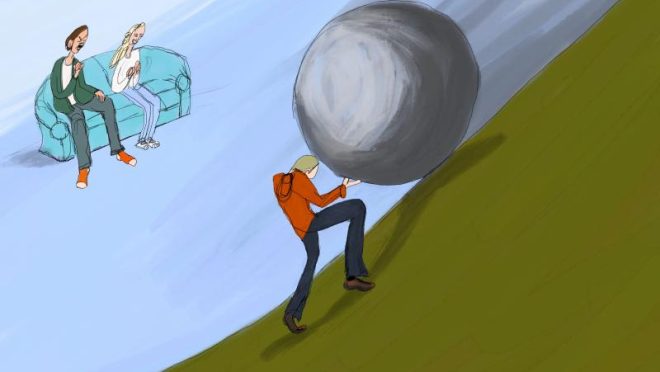
According to BBC, The shift comes amid mounting evidence that constant notifications, multitasking and reliance on AI tools may be eroding focus. Research tracking office workers has found that average on-screen attention spans have fallen dramatically over the past two decades. Experts warn that outsourcing tasks to technology could also weaken memory, spatial awareness and critical thinking.
Artist Stuart Semple is among those embracing the change. After struggling to paint for more than 30 minutes without checking his phone, he began locking his device away and scheduling tech breaks. The result, he says, has been a creative revival. He has replaced Instagram with long-form writing, takeaways with home cooking and digital messages with handwritten notes.
Psychologists say the approach taps into a basic principle of brain health: use it or lose it. Effortful tasks, from reading deeply to learning new skills, strengthen neural pathways and may enhance long-term cognitive function. Studies also show that people often value things more when they have worked for them, a phenomenon known as the “Ikea effect”.
Not all experts are convinced friction alone can reverse years of digital dependency, and research on digital detoxes shows mixed results. Still, many agree that adding small amounts of intentional effort can restore a sense of autonomy.
The broader debate now centres on wellbeing. While technology delivers convenience and quick pleasures, some psychologists argue it promotes a shallow, hedonic form of happiness. Friction-maxxing aims for something deeper: focus, resilience and meaning earned through effort.
Whether it proves a lasting solution remains to be seen. For now, advocates say making life slightly less convenient may be exactly what modern brains need.