Erasmus Mundus Scholarship: What it takes to earn a wild card to Europe
Erasmus Mundus is suited to those who are comfortable studying in multiple countries, engaging with multicultural academic environments, and being globally minded.
Erasmus Mundus Scholarship: What it takes to earn a wild card to Europe
Erasmus Mundus is suited to those who are comfortable studying in multiple countries, engaging with multicultural academic environments, and being globally minded.
When it comes to Erasmus Mundus, the first things that come to mind are receiving a fully funded scholarship and studying at multiple institutions across Europe. However, there is more to it.
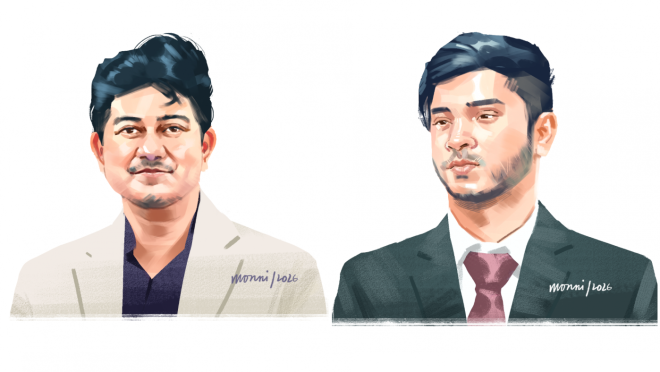
The Business Standard spoke with two scholars, Imtiaz Ahmed Sakib and Ahnaf Farhan, to learn about the entire application process and what life as a scholar is like. Sakib is currently pursuing the Joint Master’s in Global Change Ecology and Biodiversity Management at Universidad Rey Juan Carlos, Spain. Farhan is pursuing a Master of Science in Communications Engineering and Data Science specialising in Data Security at Aalto University.
Apart from tuition fees, the scholarship covers a monthly living allowance, travel costs, and health insurance. The living cost is £1,400, which converts to almost Tk2 lakh a month.
CGPA matters but is not the decisive factor
Erasmus Mundus is suited to those who are comfortable studying in multiple countries, engaging with multicultural academic environments, and being globally minded.
When it comes to any fully funded scholarships, the biggest concern could be CGPA. In terms of Erasmus Mundus, both agree that “it matters” but it’s not the sole decisive factor.
“While a high CGPA is certainly beneficial, it does not guarantee selection. Factors such as motivation, academic fit, relevant work or volunteering experience, and how clearly an applicant presents his goals often play a decisive role — sometimes even compensating for a comparatively lower CGPA,” said Sakib.
The European Commission does not set a bar. However, competitiveness varies by programme: a CGPA of 3.5 out of 4 and above is considered strongly competitive; 3.2 to 3.49 remains realistic for candidates with a strong overall profile; and below 3.0 is generally challenging, unless other elements are exceptional.
The committee takes into account the grading culture of the university, recognising that standards can vary widely across institutions and countries. The grading requirements even vary across different programmes.
Sakib noted that applicants with lower CGPAs can still receive the scholarship by demonstrating strong, relevant volunteering, extracurricular, or professional experience.
“What matters most is whether your experiences align with the objectives and focus of the Master’s programme and clearly demonstrate your motivation and potential to succeed.”
Application process
Sakib and Farhan advised starting preparation at least six months before the deadline. The first step in the application process is to browse the EMJM catalogue and shortlist programmes that align with your academic background and experience.
It is important to check the current funding status, as scholarships for each programme are evaluated periodically, and some programmes may not have funding available for the present application period.
The next step is to compile a list of required documents and their specific guidelines for each shortlisted programme, and then start preparing the documents accordingly. Once all documents are ready, you submit your application through the programme’s portal.
The subsequent steps vary across programmes. May involve multiple evaluation stages, such as interviews or additional submissions like a motivational video or portfolio.
Core documents include a Motivation Letter or Statement of Purpose (SOP), and an Academic Transcript. A Bachelor’s Degree Certificate or proof of final-year enrolment confirms eligibility, while a Curriculum Vitae (CV), often in Europass format, summarises education, skills, and experience. Typically, two Recommendation Letters provide external assessments of the applicant’s abilities.
Supporting documents can strengthen your application, such as language certificates like IELTS or TOEFL, and a grading scale explanation if available. Administrative documents — a passport or national ID, a passport-sized photo, and sometimes a residence certificate — are needed for identification and fee purposes. Optional but helpful documents include research papers, project portfolios, internship or work certificates, and awards showing achievements beyond school.
Life of an Erasmus Mundus Scholar
When asked about the changes in academic and personal life after joining an Erasmus Mundus programme, Sakib replied, “I have never been interviewed before, so that’s one!”
“Joining an Erasmus Mundus programme brings a significant change in both academic and personal life. Academically, the environment is very different. You find yourself in classrooms with students from all over the world, and in many ways, you begin to feel that you are representing not just yourself, but your country and sometimes even your continent.”
Sakib also stated that the academic culture is more open and informal, and that the faculty and administrative staff treat students as international scholars. The professors are addressed by their names, maintaining a respectful yet friendly interaction, and they are extremely supportive.
To Farhan, on the other hand, living abroad builds independence, adaptability, and cultural awareness, while expanding one’s international network. It can be challenging at first, but most students emerge more confident, globally minded, and prepared for diverse career opportunities.
When asked what challenges students should be mentally prepared for before applying, Sakib immediately replied, “homesickness.”
“One has to leave behind their parents, friends, pets, and loved ones. Everything is done differently in Europe. Even a simple handshake feels different. Another challenge is mobility. You shift homes every six months or less, and by the time you might start feeling at home in one place, you start packing to move to the next one.”
Farhan echoed adding, “Courses move fast, and financial and logistical challenges still persist. While the scholarship covers tuition and basic living costs, students must manage housing, travel, visas, and daily expenses in unfamiliar environments. Homesickness and temporary isolation are common, especially during transitions between countries.”
Farhan suggested, “You absolutely do not need to apply for an Erasmus Mundus scholarship immediately after finishing your bachelor’s degree. Many students choose to gain work experience, do internships, engage in research, or build meaningful projects before applying, and this can actually make your application stronger.”
Sakib stated explicitly, “Start early and plan deliberately; tailor every element of your application, especially the SOP; and third, believe in your profile and apply with confidence.”
Farhan advised, “Make your application personal and programme-specific, choose recommenders who truly know you, and build a balanced profile.”