Heat waves raise concerns for the 2026 World Cup
Heat waves raise concerns for the 2026 World Cup
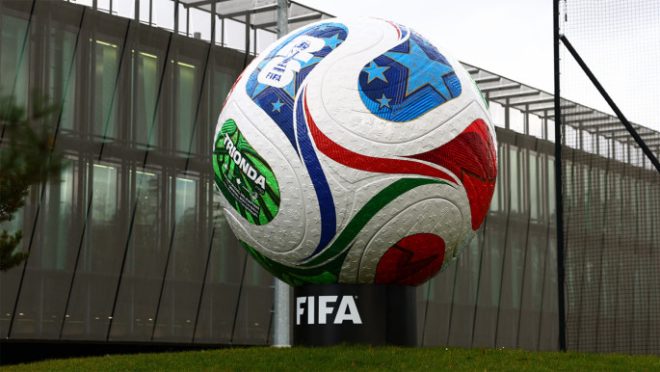
With the World Cup draw scheduled for this Friday in Washington DC, both supporters and businesses are being urged to prepare for the unexpected. The 2026 tournament will stretch across sixteen cities in the United States, Canada and Mexico, and while organisers have been upgrading stadiums, expanding workforces and strengthening security, one factor remains far harder to control: the weather.
As highlighted in reporting by the BBC, the competition is set for June and July, which is when heatwaves, wildfires and sudden storms are all regular guests in parts of North America. Experts warn that these environmental hazards could disrupt matches, affect air quality or place players, fans and event staff at risk. Although safety remains the primary concern, the financial consequences of any disruption could ripple through entire host cities.A recent assessment by Pitches in Peril reported that ten of the sixteen venues face a very high risk of extreme heat stress during the tournament.
According to Maddy Orr, a researcher in Toronto who studies how climate affects professional sport, the greatest financial blow would come from cancelled fixtures. She explains that postponements at last year’s FIFA Club World Cup in the United States offered a preview of what might lie ahead. During that tournament, severe rainstorms held up kick-offs in both Orlando and New Jersey, with delays ranging from more than an hour to nearly two hours.
The precise cost of such setbacks remains unclear, although Orr emphasises that broadcast commitments, sponsorship agreements, fan-zone operations and contracts with food and merchandise vendors could all leave organisers facing significant bills. If an event fails to go ahead as planned, she says, legal liabilities alone could reach millions for every match that is abandoned.
For travelling supporters, the picture is equally complicated. Lisa Webb, a senior lawyer and consumer specialist at Which Magazine, advises fans to secure proper insurance and examine the fine print before making any major bookings. She notes that travellers often overlook the difference between a match that is cancelled and one that is rescheduled. When a game is cancelled, ticket holders are usually entitled to a refund. When it is rescheduled, the original ticket remains valid, which means supporters must pay for any new travel arrangements or additional hotel nights themselves. Webb reminds travellers that fans should not expect FIFA to cover extra costs.Using a credit card for major purchases such as flights or accommodation can provide extra protection for UK travellers, since consumer law allows some claims to be made through the card provider if services are not delivered as promised. The rules in the United States also allow cardholders to open disputes directly with the issuer, although only after attempting to resolve matters with the merchant.
If extreme conditions force the Foreign Office to issue a travel warning, recovering costs becomes far easier. Heat, wildfire smoke and storms have all prompted such advisories in recent years across North America.
Among the high risk cities is Kansas City, where organisers have already outlined a detailed heat-management strategy. Plans include misting fans, shaded seating, cooling stations and a regional task force dedicated to environmental health. Pam Kramer, head of the KC2026 organising committee, says their priority is to prepare the entire matchday environment. The city’s professional sports teams, including the Kansas City Chiefs, regularly manage extreme summer temperatures, and their experience has shaped the local approach. Before fans leave their hotels, they may receive phone alerts with guidance on hydration and safety.Kramer stresses that Kansas City is far from the only location expecting high temperatures. Cities such as Atlanta, Miami, Dallas and Houston routinely face similar conditions, she says, and clear communication will be key in helping visitors prepare appropriately. She also notes that some factors, including match timings, are controlled entirely by FIFA.
Canada, often perceived as the cooler part of the continent, is not exempt from climate uncertainty. Orr says Toronto and Vancouver have both experienced severe heat warnings in recent summers, along with prolonged periods of wildfire smoke. If conditions render either city unplayable, alternative arrangements may be required.
Despite the risks, local businesses remain hopeful. In downtown Vancouver, shop owner Mark Kenna expects the World Cup to attract huge crowds and boost sales of football themed merchandise. He says the tournament will provide a rare opportunity for small businesses to benefit from global attention.