Google announces sweeping AI redesign to move Search past the link era
Google announced a sweeping overhaul of its search engine at its annual I/O developer conference, introducing new artificial intelligence-powered features that shift the platform away from its long-standing reliance on lists of web links and toward a more interactive, conversational experience.
Google announces sweeping AI redesign to move Search past the link era
Google announced a sweeping overhaul of its search engine at its annual I/O developer conference, introducing new artificial intelligence-powered features that shift the platform away from its long-standing reliance on lists of web links and toward a more interactive, conversational experience.
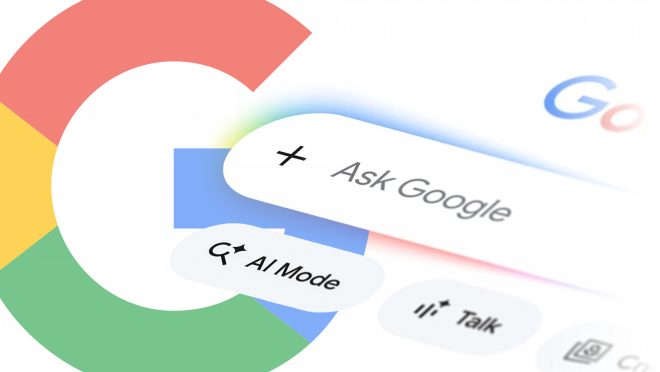
The changes centre on a redesigned search interface, autonomous information-tracking agents and tools that allow users to create customised applications directly within Search.
The new search box
The company said its new “intelligent search box” is designed to handle longer, more conversational queries. An AI-powered suggestion system helps users formulate complex questions, moving beyond the keyword-based searches that have traditionally defined web search.
Google is also introducing what it calls “generative UI”, which can create customised widgets, interactive visuals and dynamic layouts in response to user queries. For example, a search related to space could generate a real-time interactive visualisation of a black hole rather than a conventional list of results.
While traditional web links will remain available, Google is placing greater emphasis on AI-generated responses through its AI Mode feature. The system allows users to ask follow-up questions and receive synthesised information without navigating through multiple external websites.
The company also announced plans to launch background “information agents” that can monitor specific topics on the web continuously and provide updates when predefined conditions are met. Users will be able to deploy multiple agents to track developments such as industry-specific changes.
Another feature, powered by a platform called Antigravity, will allow users to create personalised “mini apps” within Search using natural-language commands. Examples include meal-planning tools connected to a user’s calendar or customised fitness-tracking applications.
Google said the new capabilities were developed in partnership with DeepMind and are powered by Gemini Flash 3.5.
The expansion of AI-generated answers is likely to intensify concerns among publishers, many of whom rely on search-driven traffic to support advertising-based business models. Industry observers have warned that providing more information directly within search results could further reduce referrals to external websites.
Google said the redesigned search box would begin rolling out during the week of 19 May, while generative UI features and other broader changes are expected to launch during the summer.
The information-agent and mini-app creation tools will initially be available to subscribers of Google’s AI Pro and AI Ultra services before expanding to a wider audience.
The company said AI Overviews currently reach more than 2.5 billion monthly users, while its conversational AI Mode has reached 1 billion monthly users.