A system in crisis: Why Bangladesh is bringing teachers back from retirement
In many schools across Bangladesh, vacant teaching positions are silently affecting daily classes. To combat this, the government is considering rehiring retired teachers as a result of this situation.
A system in crisis: Why Bangladesh is bringing teachers back from retirement
In many schools across Bangladesh, vacant teaching positions are silently affecting daily classes. To combat this, the government is considering rehiring retired teachers as a result of this situation.
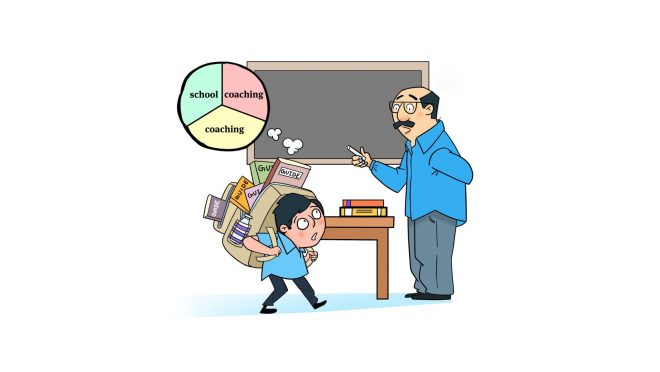
Deputy Commissioners, Upazila Nirbahi Officers, and education officials nationwide have been directed by the Ministry of Education to create upazila-based pools of retired teachers who are physically fit and willing to temporarily rejoin the workforce.
After that, these instructors might be hired for open positions in private schools and universities on the MPO list, with funding coming from the organisations’ own resources rather than the state budget. This policy was created out of necessity rather than nostalgia.
A system running short
The majority of Bangladesh’s academic burden falls on the non-government education sector. MPO support and private management are essential to the operation of thousands of schools, colleges, madrasas, and technical institutions.
However, hiring teachers has been difficult to keep up with. In June 2025, the Non-Government Teachers’ Registration and Certification Authority (NTRCA), which is in charge of hiring instructors for private schools, released its sixth recruitment circular, which listed 100,822 positions.
Only a few months later, in January 2026, its seventh circular announced a further 67,208 open positions.
These are not minor staffing shortfalls. They stand for science labs without supervisors, language departments without lecturers, classrooms without teachers, and pupils whose learning stalls because no one has been appointed yet. It is no longer feasible for many schools to wait months for recruitment results.
Why retired teachers?
The government’s answer is practical. Teachers who have retired are already familiar with how classes operate. They are familiar with curricular structures, school administration, discipline, and examination procedures. Above all, they are currently available.
Retired educators can be found locally and deployed rapidly, in contrast to fresh recruitment, which requires applications, verification, recommendation, posting, and joining formalities.
They are the quickest resource available in terms of policy. The collaboration is also financially convenient. The state avoids adding to the financial burden while maintaining class operations because honoraria are to be paid from institutional income rather than government pay.
Retired teachers address two issues simultaneously in a nation where budgetary constraints and administrative speed frequently clash.
The human side of the story
Additionally, the shift has a deeply symbolic meaning. A teacher who previously concluded their career with farewell flowers may now decide to return to the field because the system still requires them. Many retired educators continue to be well-respected individuals in towns and villages whose identities are inextricably linked to teaching.
A known and experienced face may provide continuity for students, particularly in rural locations. However, structural flaws cannot be hidden by symbols.
Thousands of NTRCA-certified individuals are currently awaiting assignments in Bangladesh. Many remain unemployed or underemployed despite passing competitive exams years ago. They may perceive the return of retired instructors as more of a delay than a solution.
They prepared, qualified, and awaited merit-based placement for years. Those who have finished their careers may now fill temporary positions. This leads to a challenging policy paradox: the nation has both vacant classrooms and unemployed certified teachers.
A return to old risks?
The NTRCA was originally established to minimise favouritism and political interference in private teacher hiring. Centralised recruitment was intended to replace local discretion with clear, merit-based recommendations. Now that local governments are assisting in the creation of retired teacher pools and appointments, some fear that old patterns will quietly resurface.
Who gets selected? What standards are used to define “fitness”? What is the duration of temporary appointments? Will some organisations choose well-known local names over more youthful, competent applicants?
A temporary approach may raise long-term concerns in the absence of clear rules.
The road ahead
Over the past 20 years, Bangladesh has made significant investments to increase access to education. New campuses opened, new schools were constructed, and more students were enrolled. However, structures do not impart knowledge.
Every shortage arises from a broader problem: too few approved positions, overly lengthy recruitment processes, low teacher pay, and reactive planning. Calling back retired teachers is not the crisis. It is a symptom.
This year’s academic sessions could be saved by retired instructors. They might help understaffed institutions, avoid shutdowns, and minimise disruptions to classes.
However, borrowing from previous years is not a viable way for any nation to develop the future. Long-term reform must prioritise quicker NTRCA recruitment cycles, better workforce planning, more competitive teacher compensation, and timely approval of vacancies based on actual enrolment needs.
Until then, Bangladesh’s educational system may continue depending on people who have already finished their last class, only to request them to teach again.