Awareness isn’t enough: the harsh reality of Down syndrome in Bangladesh
Awareness isn’t enough: the harsh reality of Down syndrome in Bangladesh
In Bangladesh, awareness around the day is still quite limited, and for many people, it often passes by unnoticed except for a few social media posts.
Beyond this lack of general awareness, many families with children with Down syndrome still have to deal with a challenging reality that includes ongoing social stigma, limited access to appropriate schooling, and financial hardship.
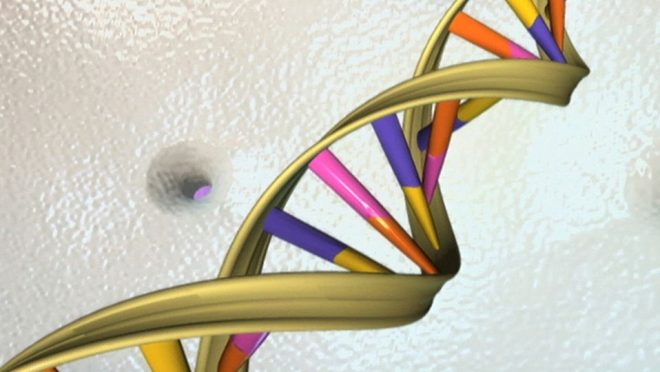
An extra chromosome is the cause of the genetic disorder known as Down syndrome. It can cause learning challenges, health problems, and developmental delays in newborns.
Many people with Down syndrome can lead happy, active lives if they receive the right medical care, therapy, and supportive education. But the level of support that is offered often dictates how well that journey goes.
For many parents from Bangladesh, the journey starts with uncertainty. Many families claim that they didn’t fully get what Down syndrome meant when their child was first diagnosed. In many situations, medical assistance is still limited, forcing parents to do their own research.
During a discussion, one parent said, “We were scared at first because we did not know anything about it. People living in nearby areas would unknowingly say hurtful things because they didn’t understand the condition.”
One of the most challenging aspects of the experience might be social attitudes. While awareness is growing in cities, many communities continue to have misconceptions. Some parents claim to have encountered rude remarks or unwarranted sympathy from others. Families may experience pressure to keep their children away from social events or public areas.
Another important problem is healthcare. Additional medical supervision, such as speech therapy, physical therapy, and routine health examinations, is often necessary for children with Down syndrome. Although these services are available in Bangladesh, not all families can afford or easily access them.
According to parents, regular therapy can have a big impact on a child’s growth, but over time, the expense may become overwhelming.
A parent clarified, “Therapy sessions, doctor visits, and specialised tests add up. You want to provide your child with the best support possible, but it can be challenging financially.”
Families frequently encounter some of the most crucial challenges when it comes to education. In the hopes that they will learn alongside other students, many parents first attempt to enrol their kids in traditional schools.
But in reality, a lot of schools don’t have the resources or expertise necessary to help kids with developmental problems. One mother said that her child struggled in a regular classroom because the pace of lessons was too fast.
“The teachers were kind, but they did not really know how to teach him, as he needed more time and a different approach.”
Because of this, some families eventually transfer their kids to specialised schools that focus on therapy-based teaching and developmental learning.
Smaller classes, personal attention, and teaching methods designed for kids with special needs are provided by these institutions. Positive changes are observed by parents who have made that adjustment.
Children gain confidence, communicate more effectively, and begin to develop social skills at their own speed. But access to these specialised institutions is still limited. Most are in major cities like Dhaka, leaving people living outside of cities with significantly fewer options.
Despite the difficulties, many parents express that there are times when having a child with Down syndrome makes them feel incredibly happy and proud.
Even seemingly insignificant accomplishments, like picking up a new word or finishing a basic chore, can have a profound impact.
One parent said, “They may learn differently, but they do learn. And it feels like the greatest victory when they accomplish something, no matter how small.”
In Bangladesh, the discussion about awareness is still expanding on World Down Syndrome Day. However, simply being aware is not enough.
Families believe what they most need is improved access to healthcare services, more inclusive education, and a shift in social attitudes that allows children with Down syndrome to be regarded as potential rather than limitations.
Because the objective is clear for a lot of families. They want their kids to be welcomed, encouraged, and given the opportunity to prosper in the same community that they live in.