Bangladeshi adolescents face worrying levels of suicidal behaviour, study finds
Bangladeshi adolescents face worrying levels of suicidal behaviour, study finds
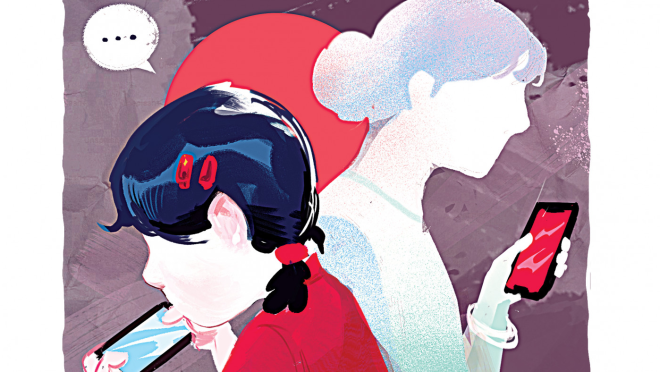
Nearly one in eight school-going adolescents in Bangladesh has experienced some form of suicidal behaviour, according to a study based on nationally representative data, highlighting the urgent need for stronger mental health support, anti-bullying measures, and greater parental involvement.
The research, which analysed data from the 2014 Global School-based Student Health Survey (GSHS), found that 11.7% of Bangladeshi adolescents reported suicidal behaviour, including suicidal thoughts, plans, or attempts.
The study published in 2020, examined responses from 2,989 students aged 11 to 18 from schools across Bangladesh. Conducted by researchers using data collected through the World Health Organization (WHO) and the US Centers for Disease Control and Prevention (CDC)-supported survey, the study explored the factors that place adolescents at greater risk.
Researchers found that psychological distress played a major role. Adolescents who reported feeling lonely were 36% more likely to engage in suicidal behaviour than their peers. Anxiety emerged as an even stronger predictor, doubling the likelihood of suicidal behaviour.
Bullying also stood out as a significant risk factor. Students who had experienced bullying were nearly twice as likely to report suicidal behaviour compared with those who had not been bullied. Likewise, adolescents without close friends faced more than double the risk.
The findings suggest that social connections play a crucial protective role during adolescence. Researchers noted that friendships often provide emotional support and help young people cope with stress, isolation, and other challenges.
Risk-taking behaviours were also linked to higher levels of suicidal behaviour. Adolescents who reported alcohol or drug use, as well as those who had engaged in sexual activity, were more likely to experience suicidal thoughts, plans, or attempts.
According to the researchers, substance use can impair judgement, reduce self-control, and increase impulsive decision-making, all of which may contribute to suicidal behaviour.
Family support also appeared to make a difference. Students whose parents regularly checked their homework were less likely to report suicidal behaviour, suggesting that parental involvement may serve as an important protective factor.
Peer support showed a similar effect. Adolescents who felt supported by their friends were less likely to experience suicidal behaviour than those who lacked strong social networks.
One of the study’s most striking findings was the cumulative effect of multiple psychological challenges. Researchers observed a clear dose-response relationship, meaning the likelihood of suicidal behaviour increased sharply as adolescents experienced more adverse psychosocial factors.
Compared with adolescents who reported no major psychosocial difficulties, those experiencing three or more factors such as loneliness, anxiety, bullying, or lack of close friends were several times more likely to report suicidal thoughts, plans, and attempts.
While the overall prevalence found in Bangladesh was similar to rates reported in several other low- and middle-income countries, it was lower than figures reported in some African nations. Researchers suggested that cultural and religious attitudes toward suicide, as well as the legal status of suicide-related acts in Bangladesh, may contribute to lower reported rates. They also cautioned that stigma could lead to underreporting.
Despite the findings, the researchers noted several limitations. Because the survey was conducted at a single point in time, it could not establish direct cause-and-effect relationships. In addition, the study relied on self-reported information and included only students who attended school.
The authors argue that the findings carry important policy implications. They recommend stronger anti-bullying initiatives, mental health education in school curricula, training for teachers to recognise early warning signs, and the development of peer-support programmes.
The study also highlights the need for greater parental awareness and involvement. Parent-teacher collaboration, researchers suggest, could help identify adolescents in distress and connect them with appropriate support before problems escalate.
As concerns about adolescent mental health continue to grow worldwide, the study provides one of the clearest pictures yet of the challenges facing young people in Bangladesh and points to the importance of early intervention in reducing the risk of suicide among vulnerable adolescents.