Can a video game change how you perceive life?
Checkpoints do not exist in real life. There is no way to rewind time when you were too overwhelmed to feel right, and time does not stop while you gather yourself.
Can a video game change how you perceive life?
Checkpoints do not exist in real life. There is no way to rewind time when you were too overwhelmed to feel right, and time does not stop while you gather yourself.
Last year taught me that lesson with quiet brutality, through deadlines, responsibilities, and the exhausting insistence of forward motion. I often wondered how I reached that realisation.
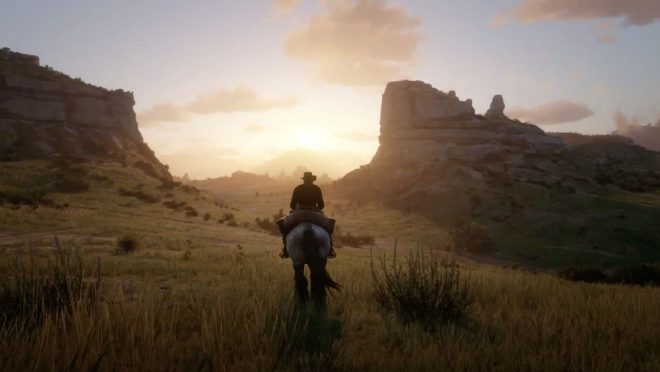
I started playing the Rockstar game Red Dead Redemption 2 last January and found myself unable to leave that world. For someone who had never been a gaming enthusiast, this was unusual. Yet it felt different from anything I had experienced before, even though I had previously spent long hours immersed in digital worlds.
Its never-ending evenings and covert late nights had little to do with progress or completion. Instead, it was about lingering a little longer in a place that had begun to offer something tangible: a space to calm down, think, and process things that real life rarely allows away from screens.
Like many people my age, movement defines my existence. Days stretch longer than expected, moving from hectic university courses to part-time jobs and a never-ending pursuit of stability. Unwinding becomes something postponed rather than practised. There is always a task waiting to be completed and another obligation ready to take its place. Urgency haunts even moments meant for rest. Exhaustion becomes a recognised constant, and productivity turns into a measure of worth.
Against that backdrop, Red Dead Redemption 2 feels almost defiant.
When I launch the game, there is no hurry. Sometimes I ride my white Arabian horse through vast stretches of the Wild West, letting the land unfold slowly, the sky wide and indifferent. Other times, I am a wanted man, leaping onto a stolen train and watching towns slip by as steel cuts through distance. I move without purpose and without pressure. I travel not to arrive, but simply to exist.
What surprises me most is how often I choose to do nothing remarkable. I complete small chores around camp. I fish beside quiet rivers. I sit by fires and listen to conversations that demand neither my attention nor my participation. These moments, mundane by design, lift a kind of tiredness from me that sleep alone often cannot. There is relief in usefulness without expectation, in effort unmeasured by outcome.
Red Dead Redemption 2 feels like the greatest western ever written, except it allows me inside its pages. I do not merely observe Arthur Morgan’s journey through loyalty, regret, and inevitable loss. I inhabit it. The game rejects the illusion of total control. It gently but firmly reminds you that no matter how carefully you move, some endings cannot be avoided. Rather than discouraging me, that understanding feels grounding.
Perhaps that is why it resonates so deeply. This game demands patience in a world increasingly obsessed with optimised schedules, precise goals, and constant self-improvement. It values presence over achievement. It teaches that meaning often lives in the spaces between action: the ride before a mission, the pause before a choice, the quiet before consequences arrive.
Last year, I believed I could postpone feeling. That I could store my exhaustion, confusion, and disappointment for a later time when life would finally allow rest. But life does not negotiate. It rarely stops, collecting moments whether or not you are prepared for them. You either experience them fully or you do not.
In an unexpected way, Red Dead Redemption 2 became a mirror. Time without guilt, introspection without hurry, and rest without regret were things it revealed to me that I had been denying myself. It reminded me that pausing is a survival strategy, not a sign of a lack of ambition.
I do not know how I would have survived the past year without it. Without this quiet refuge that asked nothing of me except attention. Without a world that made space for stillness when my own life offered none.
For now, these cold, lazy Fridays have become sacred. They are my way of meeting life gently, without resistance. A small ritual of return. A quiet reminder that I still get to choose how I travel through a world without checkpoints.
So I meet these moments in the same gentle, unhurried way the game greets me.
Quietly.
Without urgency.
And with a simple, unassuming, “Howdy, partner.”