Bangladesh expands wildlife protection, makes killing 248 more species non-bailable
Bangladesh expands wildlife protection, makes killing 248 more species non-bailable
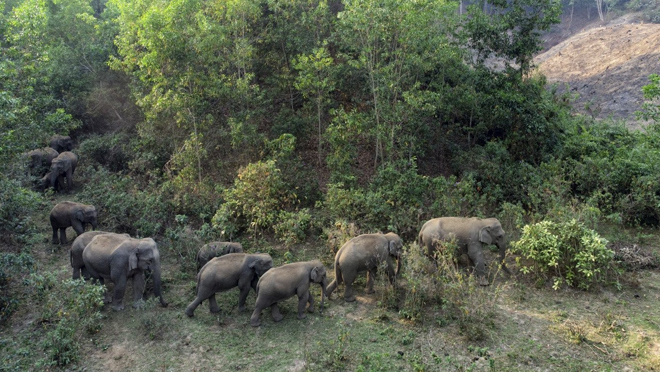
Bangladesh has introduced sweeping reforms to strengthen wildlife protection, making the killing of 248 additional species a non-bailable offence, alongside tigers and elephants, which were the only two species previously under such strict protection.
The changes come under the new Wildlife Conservation and Security Ordinance, approved by the Advisory Council last Thursday. The ordinance brings most of the country’s wildlife species under legal protection and extends safeguards to 100 tree species essential for wildlife habitats.
Forest officers and law enforcement agencies have also been granted powers to arrest suspects without a warrant in cases involving cognisable wildlife crimes. The ordinance further proposes establishing a Wildlife Trust dedicated to conservation and welfare.
Reported by Prothom Alo, Environment, Forest and Climate Change Affairs Adviser Syeda Rizwana Hasan said the ordinance marks a “positive step” for wildlife conservation. She added that the Finance Division has already approved the formation of a new Wildlife Wing, and that the government and Forest Department’s responsibilities, previously unclear, have now been clearly defined.
Expanded protection under new schedules
The ordinance restructures the schedules of the 2012 Act.
- Schedule 1(a): Tigers and elephants (flagship species)
- Schedule 1(b): 250 protected species
- Schedule 1(c): 127 species
- Schedule 2: 1,207 protected species
- Schedule 3: 15 rat species that farmers may legally remove
- Schedule 4: 100 protected plant species
In total, 1,599 species of plants and animals are now protected.
The Forest Department stated that around 70 experts, including wildlife biologists, conservationists, and zoologists, took part in drafting the ordinance.
Penalties for wildlife killing
The ordinance retains existing penalties for killing tigers and elephants without a licence:
- First offence: 2–7 years’ imprisonment and a fine of Tk 1–10 lakh
- Repeat offence: Up to 12 years’ imprisonment and a fine of Tk 15 lakh
Penalties for killing species such as leopards, crocodiles, dolphins, gharials, whales, and several deer species also remain unchanged:
- First offence: Up to 3 years’ imprisonment or a fine of up to Tk 3 lakh, or both
- Repeat offence: Up to 5 years’ imprisonment or a fine of up to Tk 5 lakh, or both
The new ordinance, however, shifts Schedule 1(a) and 1(b) species into the non-bailable category, meaning 250 more species will now receive the same legal protection previously reserved only for tigers and elephants.
Powers to arrest without warrant
Under Section 37, forest officials and designated law enforcement personnel may arrest suspected wildlife offenders without a court warrant for cognisable offences. This authority applies to:
- Forest officials
- Police (minimum rank: Sub-Inspector)
- Customs officers (Assistant Revenue Officer or above)
- Coast Guard (Petty Officer or above)
- Border Guard Bangladesh (Havildar or above)
For bailable offences, an Assistant Forest Conservation Officer may release an accused person on bond.
Species under protection
The ordinance brings the following under legal protection:
- Mammals: 133 species
- Birds: 741 species
- Reptiles: 160 species
- Amphibians: 60 species
- Sharks and rays: 91 species
- Crabs: 6 species
- Sea cucumbers: 23 species
- Key fish species: 3
- Corals: 32 species
- Shells and molluscs: 38 species
- Butterflies and moths: 188 species
- Beetles: 24 species
- Plants: 100 species
In total, 1,599 species now receive legal protection under the new ordinance.