International Day of Persons with Disabilities: Rethinking our everyday language
International Day of Persons with Disabilities: Rethinking our everyday language
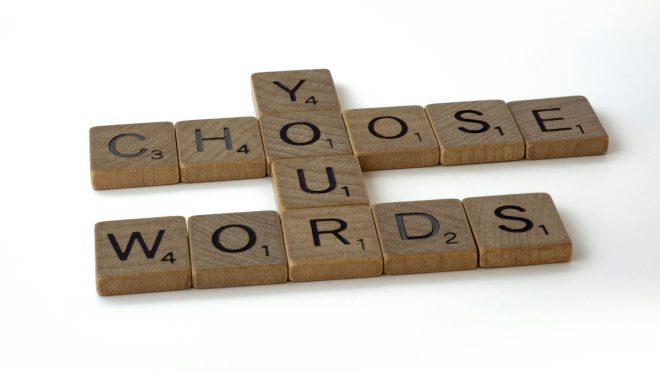
Every year, the International Day of Persons with Disabilities makes us think about the kind of society we want to build. We often focus on ramps, elevators, and accessible buses for people with disabilities. Of course these matter, and Bangladesh needs more of them. But inclusion does not begin with infrastructure. It begins with something far more basic: the words we use.
Language may seem like a small issue next to broken footpaths or narrow doorways. But for many people with disabilities, words are the first barrier. Long before someone faces a staircase they cannot climb, they have already lived in a world where disability is used as a joke, an insult, or a way to dismiss someone.
Many of us grew up with words we never questioned. A restless child becomes “pagol.” A friend who makes a mistake is called “ondho.” On social media, terms like “lame,” “crippled,” and “autistic” still appear. People rarely intend harm, especially towards those who have disabilities. These habits are easy, familiar, and words are often said without thought. But habits quietly shape how we view others, and how we expect them to live and behave.
We see the effects early. In classrooms, children repeat labels they hear at home or online. A struggling classmate becomes the “weird slow kid,” and the name follows them. In universities, roasting culture turns disability into a quick punchline. On TikTok and gaming streams, creators mimic mental health conditions for humour. When jokes repeat often, they start to feel normal, even when the message behind them is harmful.
This pattern makes it harder to see people with disabilities as equal participants in society. When disability becomes shorthand for something weak or foolish, it becomes easier to overlook disabled people in workplaces, schools, and public spaces. A simple joke shapes expectations in ways we rarely notice.
Bangladesh has made progress. The Disability Rights and Protection Act exists, and conversations about inclusion are more common. Some new buildings try to add ramps or accessible features. But real inclusion depends on more than policy. It depends on whether we believe disabled people belong in every space as full citizens.Language influences that belief.
This does not mean we must speak perfectly or avoid all humour. Language changes slowly, and everyone slips up. But we can pay a bit more attention. Why do we still use disabilities to describe things we dislike? Why do jokes so often rely on conditions that real people live with every day? Asking these questions helps us understand the gap between what we say publicly and what we practice privately.
Youth culture plays a large role here.Memes, reels, and online jokes spread fast.They shape attitudes faster than laws do. When disability becomes a recurring punchline, it reinforces the idea that disabled people are outside the circle of everyday life. That attitude affects real opportunities: in job interviews, in schools, in hospitals, and on the street.
Changing language will not fix everything. But it prepares the ground for deeper improvements. It makes space for conversations about proper accessibility, fair hiring, inclusive education, and public services designed for everyone.It helps us shift from pity to respect.
IDPD 2025 is a reminder that inclusion is not only about structures. It is also about culture. If we want to build accessible cities, we must first build a more respectful way of speaking. Simple adjustments matter.We can replace “lame” with “unfair,” or choose words that describe situations rather than people. We can pause before turning disabilities into jokes. These steps cost nothing, yet they signal a society willing to see disabled people as equals.
We will all get things wrong. What matters is the willingness to notice and to improve.When someone points out a harmful phrase, we can listen. When we catch ourselves using old habits, we can correct them. These small changes strengthen the foundation for larger reforms.
As this year’s International Day of Persons with Disabilities passes, policies and infrastructure will take the spotlight. They should.But the quieter work happens in our everyday conversations. Inclusion begins long before someone reaches a building. It begins in the language we choose. If we get that right, the rest becomes much easier to build.