JABA: A taste of the Garo hills
Tucked away in Farmgate’s unlikeliest corner, JABA offers Dhaka diners a rare and authentic taste of Garo cuisine, bringing the flavours, traditions and quiet warmth of Bangladesh’s northern hills to the heart of the city.
JABA: A taste of the Garo hills
Tucked away in Farmgate’s unlikeliest corner, JABA offers Dhaka diners a rare and authentic taste of Garo cuisine, bringing the flavours, traditions and quiet warmth of Bangladesh’s northern hills to the heart of the city.
The most unassuming of places sometimes harbour delightful adventures.
Farmgate, the heart of Dhaka, is home to bus stops that will take you to almost any part of the city, crowded with university admission coaching centres and local eateries we would rarely step into willingly. Yet tucked away here is one such hidden gem of a restaurant.
On the second floor of the rather unwelcoming Green Supermarket — occupied mainly by sanitaryware shops and doctors’ and dentists’ chambers — you will stumble upon a tiny slice of Bangladesh’s northern Garo Hills.
Called JABA, the restaurant is the brainchild of Sumon Nongmin, who embarked on this culinary journey in January 2019. Despite having no formal culinary training, Sumon set out to represent his Garo heritage by offering diners an authentic cultural experience through food.
“Garo culture is mostly celebrated in literature, art, or through our handicrafts. I wanted to truly bring the taste of the Garo Hills to Dhaka,” said the owner.
With the support of a dedicated team of family members and friends, JABA began its journey, delighting diners with mouthwatering delicacies that many of us had never encountered before.
JABA is unapologetically itself, welcoming you with its signature amra juice. As you settle into one of the comfortable cane chairs, surrounded by earthen plates and cups, bamboo trays, and artefacts lining the shelves, the gentle aroma of greenery and spices wafts through the room.
Garo artwork and cultural items grace the walls, while warm lighting enhances the ambience. “Mom-and-pop” is perhaps the best way to describe this place, as it showcases the underrepresented native cuisine of the northern hills of Bangladesh.
What makes JABA truly distinctive in a city dominated by global and Dhakaiya cuisines is its commitment to authenticity. Garo food has its own distinct flavours, and the JABA team ensures this by sourcing most of their ingredients directly from the hills. “80% of the ingredients we use are sourced fresh from the hills, while some widely available items come from local markets,” Sumon added.
Their cooking philosophy is refreshingly simple: dishes are either steamed or slow-cooked, with minimal use of oil and spices. This allows the true flavours to shine through. The food is light on the palate, clean, and free from any hint of oiliness — resulting in a meal that is both satisfying and gentle on the stomach.
Ingredients such as nappi, papaya flowers, and snails — unfamiliar to the Bangali palate — are transformed into delicious delicacies by the JABA kitchen. The welcome drink made from amra cleanses the palate and signals to your taste buds that something truly special lies ahead.

The first dish we tried was Chicken Mungdi, which surprised me, as it is possibly the only noodle dish that originated in Bangladesh. While noodles are most commonly associated with East Asian cuisines, Bangladesh has its own version known as mungdi.
This dish feels like a warm blanket on a cold winter night: a clear, aromatic broth with chewy noodles, topped with savoury chicken, fresh coriander, crisp onions, and a sprinkle of dried chilli flakes and shrimp. It is soul food at its best — simple yet deeply comforting — proving how humble ingredients can be transformed into a hearty meal.
Next came Chicken Laksu, a dish I was previously unfamiliar with. Bite-sized pieces of fried, bone-in chicken are pounded with onions and green chillies, finished with a dash of lemon juice. Served cold and best paired with steaming hot rice, the dish is refreshingly tangy, with the sharpness of lemon and onions cutting through the richness of the chicken, presented in a way I had never experienced before.

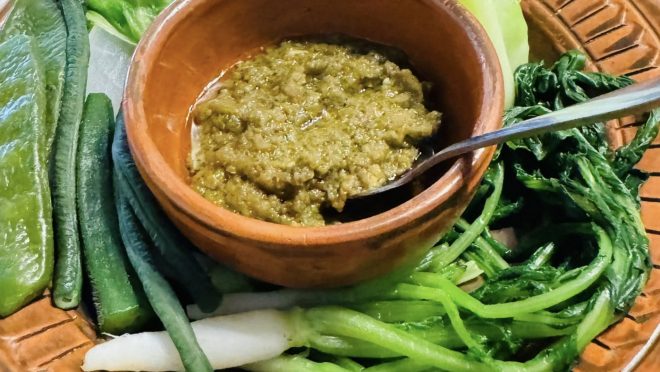
The river fish dish was another homage to the simplicity of rural cuisine. Small whole fish are lightly marinated, gently seasoned, and then shallow-fried. The head and skin are delightfully crunchy, while the flesh remains succulent, best enjoyed with the accompanying green chilli mash.
For someone accustomed to either deep-fried fish or maachher torkari with potatoes and tomatoes, this preparation felt unique and honest — a rustic celebration of the bounty our rivers offer.

And how can a Bangladeshi meal end without dessert? The Binni Pitha was simple yet charming. Wrapped in leaves that reveal a piping hot pitha upon unravelling, it is made from fragrant binni rice mixed with coconut shavings. Slightly burnt on the outside for a pleasant crunch, it gives way to a soft, buttery interior. Lightly sweet, it is a dessert that appeals to diners of all ages.
In a city where local cuisines are steadily losing their identity amid fierce competition from global flavours, JABA sits quietly, ready to welcome diners with its humble yet delicious offerings. It celebrates the unique flavours of the Garo Hills and makes them accessible to Dhaka’s food lovers.
When asked about future plans, Sumon Nongmin smiled and said, “Maybe not now — we want to focus on quality and ensure our current clientele is satisfied.” This emphasis on quality over expansion speaks volumes about the sincerity behind JABA.
JABA is an invitation to connect with Garo culture, heritage, and legacy. If you are seeking to discover a new cuisine, visit JABA at least once. Sit in the cosy eatery and let the food transport you to the hills of northern Bangladesh. They are open seven days a week from 11am to 11pm and offer online delivery via Facebook, Pathao and Foodi.