A litre of love: Petrol is now the ultimate wedding gift
In Bangladesh, where weddings are grand displays of love, pride, and social one-upmanship, a new era has arrived: the age of petrol as a wedding gift.
A litre of love: Petrol is now the ultimate wedding gift
In Bangladesh, where weddings are grand displays of love, pride, and social one-upmanship, a new era has arrived: the age of petrol as a wedding gift.
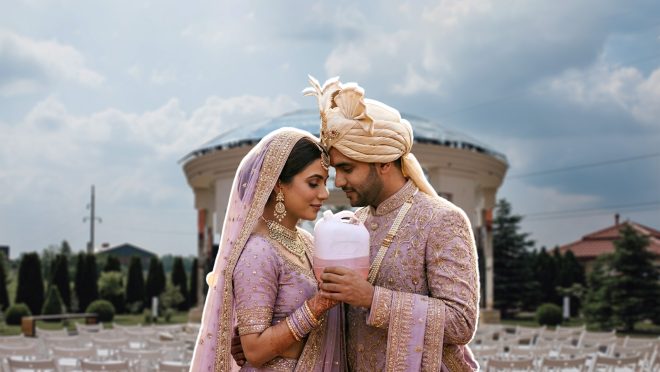
The price of petrol has gone up again. Like a rocket ship powered by someone’s unchecked ambition. Suddenly, families are treating litres of fuel as if they are gold bars, and jewellery stores are reporting a curious decline in foot traffic.
The Telder family, tasked with arranging their daughter’s wedding, find themselves staring into the abyss of modern gift-giving. Traditional options like silver, gold, rice cookers, other electronics, even rare jamdani sarees feel trivial.
The world is changing, and with petrol prices climbing by the day, nothing says “we care” quite like a canister of high-octane fuel.
But there is a complication. The groom, Rafiq, is a modest man of simple pleasures. He doesn’t drive a car, doesn’t own a motorbike, and considers bicycles “exercise machines for the weak-willed.”
So, naturally, the question arises: what in the world could they give him that would signal both generosity and sophistication?
“Why not… petrol?” suggested Aunt Dieselbibi, adjusting her glasses as if the solution was obvious.
“Everyone else is doing it. Look at your cousin’s wedding last month, his father-in-law gifted him a whole drum of diesel. People were crying.”
“Rafiq doesn’t even have a vehicle,” said the mother, doubt lingering in her voice.
“And that is exactly why he needs it,” said the father, firmly, as if channeling some ancient, mystical logic.
“A man without petrol is a man without purpose. Today it’s for your cupboard. Tomorrow? Who knows, he might discover a car in a parking lot and need fuel to survive. It’s best to be prepared.”
Decision made, the Telders set out on a petrol shopping spree that would make any ordinary wedding seem quaint. They selected premium octane, meticulously checking for expiration dates (because nothing ruins a wedding like stale petrol).
They even wrapped it in a sparkling golden ribbon, because symbolism mattered: the fuel represented prosperity, foresight, and an acknowledgement that the cost of love was now measured per litre.
At the wedding, the moment arrived. Guests gawked as the Telders presented Rafiq with the glittering canister. Cameras clicked. The groom, in his perfectly pressed sherwani, stared at the gift with an expression somewhere between confusion, awe, and existential dread.
“But I don’t drive,” he whispered.
“And that,” the father replied with a solemn nod, “is exactly why you need it.”
Somehow, it all made sense or at least, it seemed to. Around them, relatives nodded in understanding, sharing secret smiles that said, we too would rather have petrol than jewellery right now. The room hummed with the quiet hum of people imagining the future: cooking, heating, selling, maybe even just staring at a litre of petrol in admiration.
Social media lit up immediately. #PetrolWedding, #OctaneOverload, #BangladeshGifts were trending by the afternoon.
Bloggers praised the Telders for their foresight, while comedians celebrated the absurdity of a culture where you can measure affection in litres per taka. Discussions erupted online: “If petrol is the new gold, should bridesmaids get cans of diesel instead of flowers?” and “How do you propose with octane?”
By the end of the day, one truth was undeniable: in Bangladesh, petrol wasn’t just fuel. It had become a symbol, a status marker, a conversation starter, and a lifeline.
Love may still conquer all, as poets insist, but in this new era, petrol might just conquer everything else.
And somewhere in the crowd, Rafiq quietly resolved to buy a bicycle with a tiny motor. After all, he had a gift to honour.