Shopno Jabe Bari: When the heart begins its journey home
At crowded bus terminals in Dhaka, travellers sit on their suitcases and stare anxiously at the road ahead. Phones ring constantly. Somewhere far away, a mother asks the same question again and again: “When will you reach?”
Shopno Jabe Bari: When the heart begins its journey home
At crowded bus terminals in Dhaka, travellers sit on their suitcases and stare anxiously at the road ahead. Phones ring constantly. Somewhere far away, a mother asks the same question again and again: “When will you reach?”
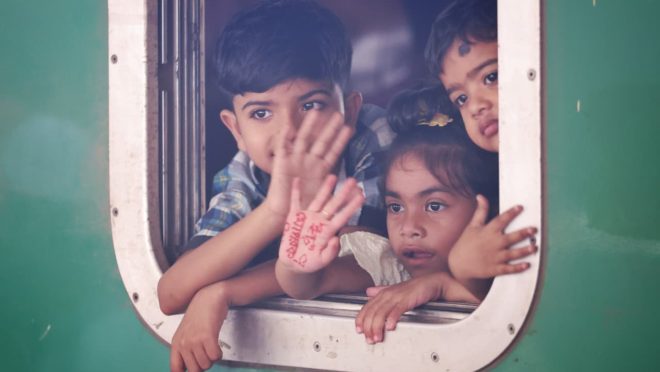
As Eid al-Fitr approaches, similar scenes unfold at train stations, bus terminals and launch ghats across the country.
As the festival draws closer, our hearts begin to beat a little differently. Somewhere between the long days of Ramadan and the quiet nights of reflection, our souls slowly become homebound.
The song Shopno Jabe Bari Amar begins appearing everywhere, from social media feeds to our earbuds. The dream of returning home begins to feel real.
Right now, many of us are finally returning to the place where Eid and Ramadan truly feel complete. Iftar and suhoor will once again happen around the family table, the way they were always meant to be.
Parents will sit across from their children, siblings will gather in noisy groups, and the house will slowly fill with laughter that was missing all year.
But between this dream and the reality of reaching home lies a journey every Bangladeshi knows too well.
Endless traffic jams, crowded terminals and stations, and the familiar phrase echoing from ticket counters: “Ticket toh shesh, mama.”
The quiet excitement of returning home is often interrupted by scenes that have almost become symbolic of Eid travel. Packed buses. Train compartments overflowing with passengers. Sometimes even people travelling on train rooftops.
This year brought an unexpected twist. The government announced early Eid holidays for universities on 8 March in an effort to reduce electricity consumption. For many students, it felt like an unexpected Eidi.
But not everyone celebrated the news with the same excitement. Some had already booked their tickets according to the previous schedule. Many rushed to ticket counters hoping to adjust their journeys, only to hear the same frustrating answer again and again: there were no tickets available.
Still, that rarely stops anyone. People simply keep looking forward to the day they finally leave for home.
Anyone who has travelled during this time recognises the familiar scenes. Bus stations overflowing with people. Train platforms packed beyond capacity. Everyone searching for the smallest space to sit or stand.
And for many travelling to the southern districts, another challenge awaits: the hassle of launch and ship journeys. Long queues at river terminals, crowded decks, delayed departures and passengers squeezed into every corner of the vessel turn what should be a calm river ride into yet another exhausting leg of the trip home.
Rarely does anyone get the exact journey they planned.
Someone hoping for a sleeper coach might end up in an AC seat. Someone hoping for AC might settle for a non-AC coach. Sometimes the only option left is a local bus where an eight-hour journey slowly stretches into fifteen or even sixteen hours.
Traffic stops. Engines idle. Tempers rise.
The road seems endless.
Yet every year, millions of people still choose to take that journey.
Because at the end of that long road is home.
Throughout the entire month of Ramadan, we quietly count down these final days with anticipation. As the song Shopno Jabe Bari Amar promises, the journey eventually leads to the moment when we finally smile among the people we love most.
The constant question from family members, “When will you come?”, finally finds its answer.
Some arrive home carrying bags full of gifts. Others walk through the door only to discover that Eid presents are already waiting for them.
For many families, the two Eids are the only times of the year when everyone manages to gather under the same roof.
Perhaps that is why the song about going home still gives people goosebumps every time it plays.
Because behind that melody lies something deeper: the longing to return home.
Children finally see their fathers again. Parents embrace children who live far away. Grandparents hold their grandchildren close after months of distance.
And for a moment, the soul itself seems to breathe easier.
The endless traffic, the crowded buses and trains, the launch terminals filled with passengers, even the jokes urban residents make about having “Faka Dhaka”. All of it fades away the instant we reach home and hug the people waiting for us.
That is the moment when Eid truly begins.
When the whole family gathers, when laughter fills every room, when plates of food pass from hand to hand and conversations stretch late into the night.
Suddenly the exhausting journey no longer feels exhausting at all.
It feels worth it.
Because sometimes the road home becomes the most meaningful part of Eid.
And perhaps that is why, no matter how difficult the journey becomes, millions still take that road every year.
Because at the end of it, someone is always waiting with open arms.