All headphones contain potentially harmful chemicals: Study finds
Hazardous substances were detected in 100% of the products.
All headphones contain potentially harmful chemicals: Study finds
Hazardous substances were detected in 100% of the products.
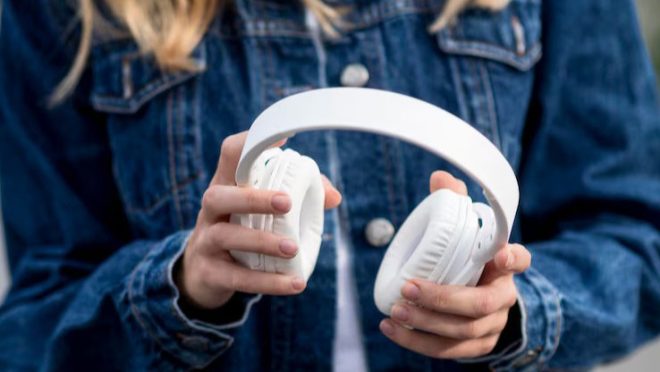
Headphones, used for work, exercise, or leisure, have been found to contain substances hazardous to human health, according to research carried out by the ToxFree LIFE for All project, a partnership comprising central European civil society groups.
The project tested 81 pairs of in-ear and over-ear headphones purchased from markets in the Czech Republic, Slovakia, Hungary, Slovenia, Austria, and online platforms Shein and Temu, as reported by The Guardian.
Hazardous substances were detected in 100% of the products.
Major brands including Bose, Panasonic, Samsung, and Sennheiser were among those containing chemicals linked to cancer, neurodevelopmental problems, and the feminisation of males, according to the study.
Campaigners described this as a market-wide failure and called for broad bans on endocrine-disrupting chemicals and greater transparency from manufacturers.
Bisphenol A (BPA) appeared in 98% of samples, while its substitute, bisphenol S (BPS), was found in over 75%. BPA and BPS mimic the action of estrogen, which can cause early puberty in girls, feminisation of males, and cancer. Previous studies have shown that bisphenols can migrate from plastics into sweat and be absorbed through the skin.
According to the report, other substances detected included phthalates, potent reproductive toxins; chlorinated paraffins, linked to liver and kidney damage; and brominated and organophosphate flame retardants, which have endocrine-disrupting properties. Most of these were found in trace quantities.
Karolína Brabcová, chemical expert at Arnika and part of the ToxFree project, said daily use, particularly during exercise when heat and sweat are present, accelerates the migration of these chemicals into the skin.
She added that while there is no immediate health risk, long-term exposure is a concern, especially for teenagers, because there is no safe level for endocrine disruptors that mimic natural hormones.]
This investigation is the third undertaken by the ToxFree project.
Previous studies found BPA in 100% of baby dummies tested, including some labelled BPA-free, and toxic chemicals in 33% of women’s underpants.
Bose, Panasonic, Samsung, and Sennheiser did not respond to requests for comment, reports The Guardian.