From offices to workshops: How AI is forcing career rethinks
As artificial intelligence rapidly reshapes the global workforce, a growing number of professionals are leaving white-collar careers and retraining in trades and hands-on jobs they believe are harder to automate. The shift offers a sense of security, but often comes with lower pay, tougher working conditions, and the emotional cost of abandoning long-held ambitions.
From offices to workshops: How AI is forcing career rethinks
As artificial intelligence rapidly reshapes the global workforce, a growing number of professionals are leaving white-collar careers and retraining in trades and hands-on jobs they believe are harder to automate. The shift offers a sense of security, but often comes with lower pay, tougher working conditions, and the emotional cost of abandoning long-held ambitions.
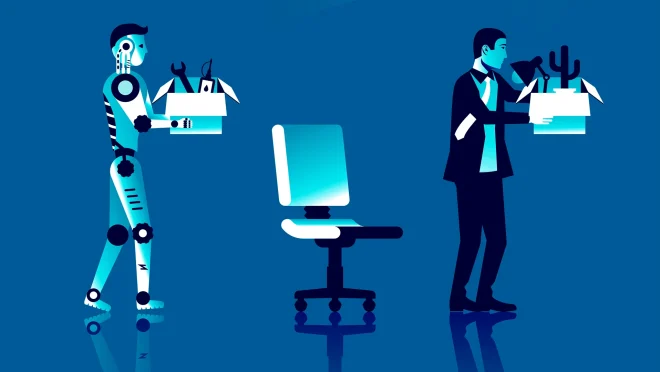
Writers, editors, legal graduates and office workers interviewed by The Guardian describe how work began drying up as employers increasingly relied on AI tools for tasks once handled by humans. Some were asked to edit AI-generated content for significantly reduced fees, while others saw entire departments replaced by automated systems. Entry-level roles, in particular, appear to be disappearing first.
For many, retraining felt less like a choice and more like a necessity. Former academic editors have become bakers, health and safety professionals have moved into electrical work, and graduates have abandoned corporate career paths altogether in favour of vocational training. While some enjoy the tangible nature of their new work, most report earning less, working longer hours and coping with physically demanding conditions.
Further education providers in the UK say demand for trade-based qualifications, including engineering, culinary arts and childcare, is steadily rising, driven partly by graduate unemployment and fears about AI-driven job losses. Researchers warn that professional and clerical roles in sectors such as law, consultancy, finance and software are among those most exposed to AI disruption, even if widespread job losses have not yet fully materialised.
Experts caution against panic, noting that technological change has historically created new jobs alongside losses. Still, many workers remain unconvinced. With career paths becoming less predictable, decisions are increasingly shaped not by passion but by what is likely to survive the next wave of automation.
For some, AI has opened doors to new opportunities. For others, it has quietly closed the door on careers they once believed would last a lifetime.