How China’s open-source AI is quietly reshaping global tech
Chinese artificial intelligence models are increasingly being used by major US companies, raising questions about whether China is gaining a quiet edge in the global AI race.
How China’s open-source AI is quietly reshaping global tech
Chinese artificial intelligence models are increasingly being used by major US companies, raising questions about whether China is gaining a quiet edge in the global AI race.
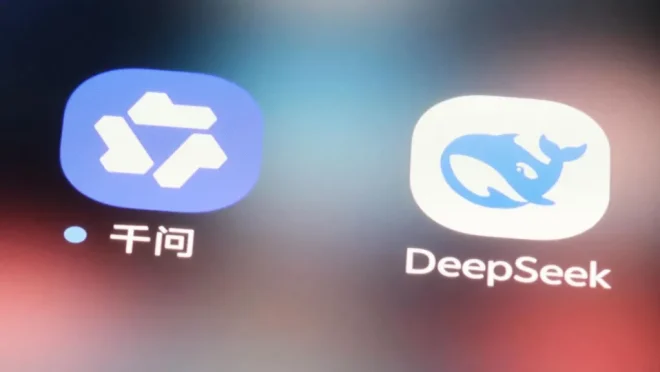
Every month, hundreds of millions of users visit Pinterest for inspiration, from fashion ideas to quirky design trends. What many users do not realise is that some of the technology shaping these recommendations is powered by Chinese AI models. Pinterest has been experimenting with models such as DeepSeek, Qwen and others to improve how it suggests products and ideas to users.
Pinterest chief executive Bill Ready described the launch of China’s DeepSeek R 1 model in January 2025 as a turning point. By releasing the model as open source, Chinese developers sparked a surge in freely available AI tools that companies can download, customise and run on their own systems. This flexibility has made them particularly attractive to firms looking to reduce costs while maintaining performance.
Pinterest chief technology officer Matt Madrigal said open source models allow companies to train and adapt systems in-house. According to him, the models Pinterest develops using these techniques are around 30 percent more accurate than leading off-the-shelf alternatives, while sometimes costing up to 90 percent less than proprietary models from US firms.
Pinterest is not alone. Airbnb chief executive Brian Chesky said last year that the company relies heavily on Alibaba’s Qwen model for its AI powered customer service tools. He cited three reasons: the model is very good, fast and cheap. Airbnb has said it hosts all models securely within its own infrastructure and does not share company data with model developers.
Evidence of China’s growing influence can also be seen on Hugging Face, a popular platform for downloading ready-made AI models. Jeff Boudier, who works on product development at Hugging Face, said Chinese models frequently dominate the most downloaded and most liked lists. In some weeks, four out of five of the top training models come from Chinese labs.
In September, Alibaba’s Qwen overtook Meta’s Llama to become the most downloaded family of large language models on the platform. Llama had long been the preferred choice for developers building custom applications, but the release of Llama 4 left many developers underwhelmed. Meta has since reportedly used open source models from Alibaba, Google, and OpenAI to help train a new model expected later this year.
A recent report from Stanford University found that Chinese AI models appear to have caught up or even pulled ahead globally, both in capability and adoption. The report suggested that government support may have played a role in China’s success in open-source AI.
In an interview with the BBC, former UK deputy prime minister Sir Nick Clegg said US firms may be overly focused on pursuing future superintelligence, potentially leaving space for China to dominate practical and open-source AI. He noted the irony that China, often described as an autocracy, is doing more to democratise access to the technology it competes over.
Meanwhile, US companies such as OpenAI face intense pressure to generate revenue. Although OpenAI released two open-source models last year, most of its investment remains focused on proprietary systems. Chief executive Sam Altman has said the company expects revenue to grow quickly but will continue to invest heavily in computing power and infrastructure.
As open-source models become faster, cheaper, and more capable, Chinese AI may continue to spread quietly through global businesses, reshaping the balance of power in artificial intelligence.