NASA astronauts can take smartphones to space
NASA has revealed that astronauts on the upcoming Crew-12 and Artemis-2 missions will now be able to carry their own smartphones into space.
NASA astronauts can take smartphones to space
NASA has revealed that astronauts on the upcoming Crew-12 and Artemis-2 missions will now be able to carry their own smartphones into space.
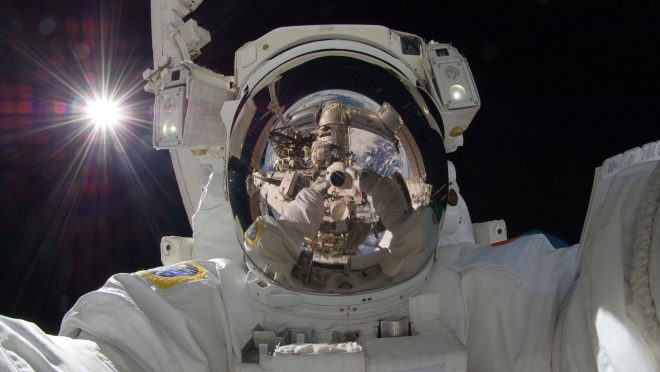
This decision opens up exciting possibilities for capturing extraordinary views of our planet and beyond.
According to the Times of India, this decision represents a major shift from traditional space protocol. Normally, any device destined for orbit must pass hundreds of stringent tests to ensure it can withstand the harsh conditions of space. With this new policy, astronauts will have the freedom to photograph whatever they wish, whenever they wish, making space photography far more personal and spontaneous. NASA Administrator Jared Isaacman announced the plan on 5 February, noting that it adds a human touch to space exploration.
Though using smartphones in space might sound playful, it also helps bring space closer to people on Earth. NASA has always been extremely cautious with electronics because cosmic radiation can easily damage sensitive sensors, and even minor malfunctions at 250 miles above the Earth can become critical. Until now, cameras approved for Artemis missions included a 2016 Nikon DSLR and decade-old GoPro models.
The International Space Station (ISS) currently faces a shortage of crew members. Crew-12 will carry four astronauts, and allowing them to share photos and videos of their daily routines via smartphones will make the station feel more accessible and relatable to the public. Meanwhile, Artemis-2 will mark the first crewed lunar mission in 50 years, with four astronauts orbiting the Moon for ten days.
Smart devices have been to space before, though rarely in such a personal capacity. In 2011, two iPhone 4s accompanied the final shuttle mission, and Apple Watches, AirPods, and iPads have been spotted in orbit over the years. Back in 1991, astronauts used a portable Macintosh computer to send the first email from space. However, strict government regulations previously prevented astronauts from using modern smartphones. NASA’s new approach now allows greater flexibility, marking a fresh chapter in the history of space research and photography.