Why SSC feels harder than it looks
SSC is considered a crucial examination in our country. After ten years of schooling, students sit for this exam with a vast syllabus and very limited time. On the surface, studying the same books for two years and achieving good results may seem simple. The reality, however, is quite different.
Why SSC feels harder than it looks
SSC is considered a crucial examination in our country. After ten years of schooling, students sit for this exam with a vast syllabus and very limited time. On the surface, studying the same books for two years and achieving good results may seem simple. The reality, however, is quite different.
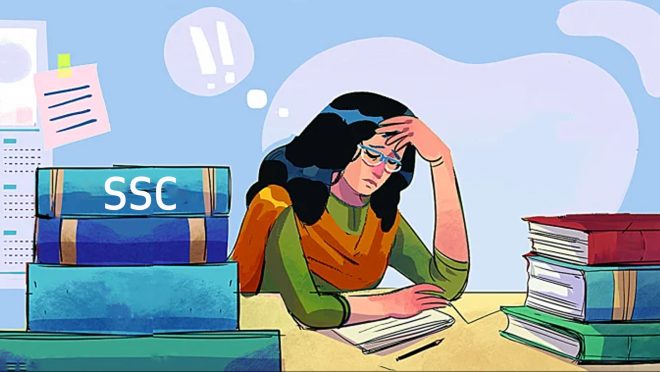
Behind these two years lie countless struggles, including a lack of motivation, self-doubt, and immense pressure that students carry on their backs. From our perspective, this journey cannot be called easy for everyone. For some students, achieving an A+ may come naturally, while for others it feels extremely difficult. Alongside this pressure, fear constantly lingers in their minds. This fear often stems from expectations and, in many cases, can lead to mental breakdowns and destroy a student’s self-belief.
The SSC examination is the first board exam students face, so feelings of nervousness and anxiety are natural. These emotions often intensify after completing school-based assessments such as pre-tests or test exams. What follows is a gap before the final examination, a period during which many students feel lost and gradually lose interest in their studies.
When school is in session, students at least draw confidence from regular interactions with teachers and classmates. During the break before SSC, however, there is no structured academic environment, and friends are not always available for support. As a result, some students lose their seriousness towards studies, and even academically strong students sometimes fail to achieve their expected results.
Yet this gap also teaches an important life lesson. At some point, people cannot rely on others for constant motivation or guidance. They must learn to take responsibility for themselves. In this journey, students must choose their own path and sometimes walk alone to achieve success. If they can understand this lesson, the gap period can become a source of encouragement rather than fear, allowing them to move forward with confidence and perform better.
Imagine being locked inside a room, knowing the key to escape is somewhere inside, but failing to find it despite repeated attempts. Eventually, frustration sets in and you give up. This situation mirrors what many students experience during exam preparation. They repeatedly study the same lessons without clarity, leading to boredom, exhaustion, and eventual surrender.
Doing the same work again and again without a clear mindset creates mental fatigue. Yet some students still achieve remarkable success. The reason lies not in complicated strategies but in patience, calmness, and discipline. If one searches for the key patiently and without panic, the chances of finding it increase. Similarly, studying with discipline and a calm mind makes success achievable. Success does not always require brilliance; it requires consistency and patience.
Beyond every result, there are always two stories. One is filled with achievement, while the other carries struggles and setbacks. Khadija Akter Mim, a student preparing for the 2026 SSC examination, remains fully focused during this gap period. She believes that even two or three months of dedicated effort can lead to strong results. Her advice to upcoming candidates is to value time and begin studying seriously from the very beginning.
On the other hand, Faria Islam, an HSC 2026 candidate, shared her SSC experience with regret. She performed exceptionally well in school exams and frequently topped her class. However, during the gap period before SSC, she lost focus and motivation. As a result, she could not perform as well as she had expected in the board examination. Learning from this experience, she promised herself not to repeat the same mistake and is now fully committed to her HSC preparation.
These stories show that behind every result lies a lesson. Those who learn from their mistakes and move forward with determination often perform better in their next goal.
Maintaining discipline and consistency in studies is challenging. Teachers advise SSC candidates to focus on the main textbooks from the beginning and use guidebooks only after understanding the core concepts. Regular practice is essential, as it clarifies ideas, especially closer to the exam. When topics feel difficult, students can use AI tools to create summaries, then rewrite the concepts in their own words on a blank page. This method helps simplify even the most complex topics.
Tajwar Ahmed, a Class 12 student who achieved an A+ in SSC, also shared his approach. He kept only the main textbook, a pen, and a notebook on his desk. For difficult topics, he made short and clear notes, while for easier ones, simple reading was enough. Solving past board and college questions helped him identify important areas and manage time effectively. He also recommends creating a routine that includes at least three subjects, revising each subject weekly, and taking small mock tests, both written and oral, to evaluate progress and stay motivated.
SSC is only the beginning, a phase that introduces students to serious academic challenges. Sometimes, a disappointing result can crush confidence. In such moments, it is essential to remember that every phase of life carries a lesson. Identifying that lesson, learning from it, and applying it to the next goal is what truly matters. Consistency, discipline, and self-belief are the qualities that make a person resilient, confident, and ultimately successful.