From burnout to balance: Simple habits to protect your mental wellbeing
Office pressure and family responsibilities often affect mental wellbeing. Financial difficulties, illness, unrealistic expectations and relationship breakups can all increase stress. When stress continues for a long time, productivity gradually decreases.
From burnout to balance: Simple habits to protect your mental wellbeing
Office pressure and family responsibilities often affect mental wellbeing. Financial difficulties, illness, unrealistic expectations and relationship breakups can all increase stress. When stress continues for a long time, productivity gradually decreases.
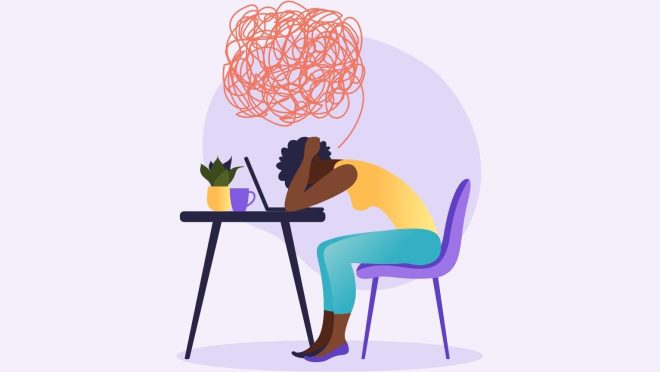
Prolonged stress can also seriously harm mental health. No matter what happens in life, managing stress is important to stay well. By adopting a few simple habits, it is possible to live with less mental pressure.
Stay physically active
To stay stress free, keep your body active. Walking, regular exercise, yoga and aerobic workouts help reduce stress. Breathing exercises are also effective in calming the mind and easing tension.
Eat balanced meals
A 2022 study shows that people who consume more ultra processed food and excess sugar tend to experience higher levels of mental stress. Long term stress often leads to overeating and unhealthy food choices. A lack of nutrients such as magnesium and vitamin B can also increase stress. Reducing processed food and choosing natural, nutritious meals can help, as stated in Samakal.
Reduce screen time
Avoid spending most of the day on mobile phones, computers or tablets. Take breaks from screens at fixed intervals. Excessive screen time increases stress and affects sleep quality. Poor sleep can further raise stress levels.
Write a diary
Writing down what is troubling you, along with your thoughts and feelings, can help reduce mental pressure. It allows the mind to feel lighter and more relaxed.
Limit caffeine intake
Too much caffeine can increase stress and disturb sleep. Avoid consuming more than 400 mg of caffeine a day, which is roughly four to five cups of coffee. Green tea, tea or smoothies can be healthier alternatives.
Spend time with loved ones
During times of stress or emotional difficulty, spending time with close family members and friends can help. Sharing your feelings with trusted people provides emotional support, which is important for mental health.
Set boundaries
Taking on too many responsibilities can increase stress. For the sake of mental wellbeing, say no to unnecessary tasks. Set clear boundaries with people or situations that add pressure or cause emotional harm. Learning to say no when needed is important.
Spend time in nature
Spending time close to nature can help reduce mental stress. Visiting nearby parks, gardens or green spaces can improve mood and bring a sense of calm.
Ultimately, stress may be unavoidable, but how it is managed makes a significant difference. By incorporating small, consistent habits into daily life, it is possible to reduce mental pressure and protect overall wellbeing. Taking time to care for both mind and body not only improves productivity but also helps create a calmer, more balanced approach to life.