World Cancer Day 2026: Research, resilience and responsibility
World Cancer Day, observed on February 4, illuminates one of the most pressing health concerns in the world today.
World Cancer Day 2026: Research, resilience and responsibility
World Cancer Day, observed on February 4, illuminates one of the most pressing health concerns in the world today.
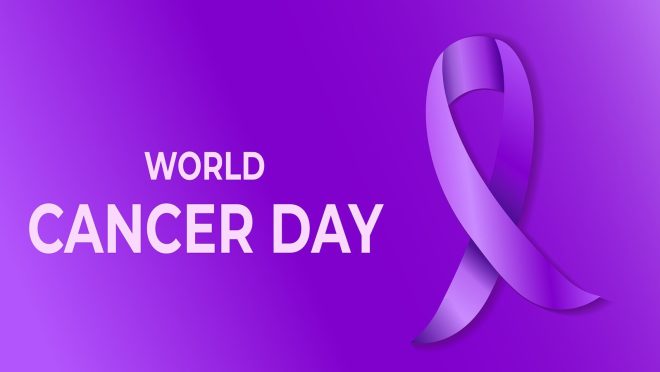
Led by the Union for International Cancer Control (UICC), this annual event brings together governments, organisations, and individuals to confront cancer, which causes over 10 million deaths each year, a number expected to rise without intervention.
On February 4, 2026, the day highlights the need for evidence-based action, drawing on peer-reviewed research to guide prevention and new therapies.
Significance
Cancer is particularly devastating because many cases are preventable. Up to 40% are linked to alterable factors such as smoking, poor diet, and physical inactivity. World Cancer Day addresses this primarily by raising awareness. This aligns with UN Sustainable Development Goal 3.4, which seeks to reduce deaths from non-communicable diseases by one-third. The day supports over 1,000 events in more than 100 countries, generates millions of social media impressions, and features symbolic orange and blue lighting to strengthen calls for increased research funding and policy change.
The day has grown into a catalyst for development since the Paris Charter Against Cancer was signed in 2000 by figures such as Jacques Chirac and Koichiro Matsuura of UNESCO. It highlights that low- and middle-income countries, despite having fewer resources, account for nearly 70% of cancer deaths. It also calls for stronger healthcare systems. The World Code Against Cancer Framework is one of many research-based initiatives that use GRADE methodology and IARC Monographs to develop region-specific guidelines. These guidelines demonstrate that prevention is more cost-effective than treatment.
The theme for 2025–2027 is United by Unique. This theme places people at the centre of cancer care, recognising that every individual’s experience is different, medically, emotionally, and culturally, while also building collective strength. It moves beyond labels towards personalised treatment and challenges the idea that cancer journeys are uniform or hopeless. United by Unique promotes tailored approaches, from genetic testing to holistic support, mirroring advances in modern medicine such as nanomedicines that target cancer cells more precisely and reduce side effects.
What We Celebrate: A history of action
World Cancer Day was established at the 2000 World Summit Against Cancer for the New Millennium. It commemorates the Paris Charter by committing to research, prevention, and patient support. It is backed by the United Nations and more than 60 countries worldwide. The day actively challenges misinformation, such as the belief that cancer is inevitable, with evidence showing that early detection can increase survival rates by up to five times. Previous themes like Close the Care Gap (2022–2024) highlighted inequalities based on age, race, and income, while I Am and I Will (2016–2018) focused on individual responsibility, such as quitting smoking.
Celebration leads to tangible impact. With over 25,000 press mentions annually, World Cancer Day influences policies related to screening programmes and tobacco control. It works alongside other global health observances to emphasise the connection between the Sustainable Development Goals, equitable economies, and resilient health systems.
As 2026 begins, new breakthroughs in cancer research offer renewed hope. Scott Armstrong of Dana-Farber developed menin inhibitors, now used to treat approximately 40% of acute myeloid leukaemia (AML) cases. Studies show that combining these inhibitors with other therapies significantly improves survival. RAS inhibitors are currently in phase III trials for pancreatic cancer, historically one of the deadliest forms, and are being tested at the Hale Family Center, targeting mutations found in up to 90% of patients.
Personalised vaccines are strengthening immune responses against melanoma and kidney cancer, led by researchers such as Catherine Wu and Patrick Ott. Radioligand therapy is being applied earlier in prostate cancer treatment, under the work of Heather Jacene. Liquid biopsies using circulating tumour DNA help detect recurrence; PROTACs target and destroy cancer-causing proteins, developed by Eric Fischer and Erica Mayer; and multi-cancer early detection tests aim to prevent metastasis. Artificial intelligence is supporting oncologists, while next-generation therapies such as CAR-T, NK cells, and TIL treatments are expanding into solid tumours. Immunopeptidomics is opening new pathways for immunotherapy. Research by Jeffrey Meyerhardt and Jennifer Ligibel on diet and exercise has shown a reduced risk of cancer recurrence.
These advances are grounded in preventive frameworks that use WHO data on BMI and alcohol consumption limits.
World Cancer Day 2026 reminds us that scientific research and collective action can reduce the global burden of cancer. It calls on everyone to act today towards building a future where cancer no longer defines lives.