Orca presence may drive dolphins into shallow waters, researchers say
Scientists investigating unusual dolphin strandings in northern Patagonia have uncovered strong evidence suggesting that predator pressure, not illness or human causes, may be responsible for pushing healthy dolphins into shallow waters where they become stranded.
Orca presence may drive dolphins into shallow waters, researchers say
Scientists investigating unusual dolphin strandings in northern Patagonia have uncovered strong evidence suggesting that predator pressure, not illness or human causes, may be responsible for pushing healthy dolphins into shallow waters where they become stranded.
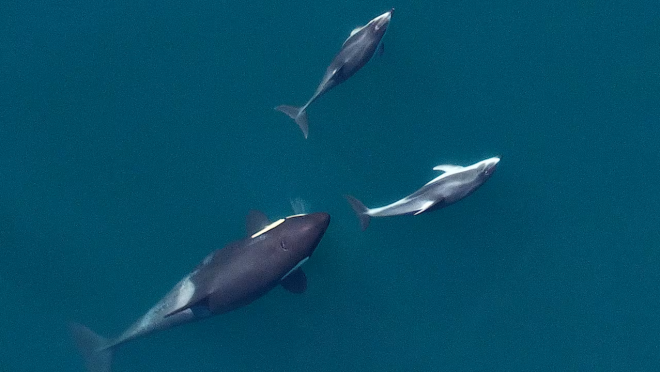
In both 2021 and 2023, hundreds of common dolphins were found stuck in shallow sandbanks in San Antonio Bay, Argentina. While rescue teams managed to return many to deeper water, dozens died, and until now, the reason behind these events was unclear.
Researchers from Argentina analysed data from necropsies on 38 dolphins and collected videos and eyewitness accounts from locals and tourists to investigate the cause. The dolphins showed no signs of disease, starvation, or injuries from fishing gear or boat strikes — suggesting they were in good health before stranding.
Importantly, footage captured before both stranding events showed pods of dolphins moving rapidly toward the bay’s shallowest areas shortly after killer whales (orcas) were spotted nearby. The researchers interpret this behaviour as an attempt by the dolphins to escape their predators by fleeing into waters where orcas are less effective hunters, only to become trapped by sandbars and tidal channels.
By matching dorsal fin shapes with local orca identification guides, scientists confirmed that the same killer whales were present before both events. This supports the idea that predator avoidance played a central role in driving the dolphins into dangerous shallow conditions.
The study’s authors suggest that recognizing predator-driven strandings as a “natural cause” can improve rescue response efforts, since teams can focus on getting dolphins back into deeper water without assuming disease or human threats are to blame.