A ‘cancer flashlight’ could help doctors choose the right treatment faster
Scientists at the University of Missouri are developing a new technique that could make cancer treatment more precise by helping doctors identify which patients are most likely to benefit from targeted therapies.
A ‘cancer flashlight’ could help doctors choose the right treatment faster
Scientists at the University of Missouri are developing a new technique that could make cancer treatment more precise by helping doctors identify which patients are most likely to benefit from targeted therapies.
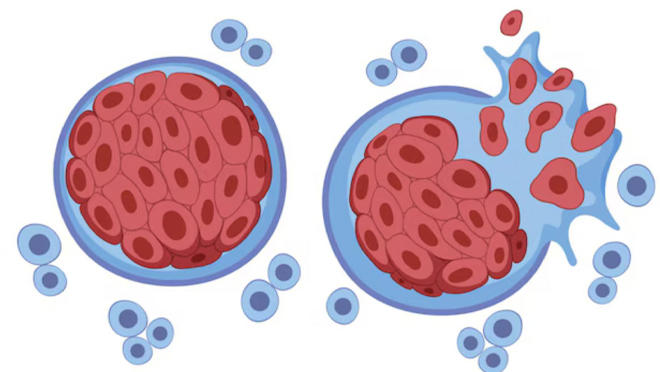
At the centre of this innovation is Barry Edwards, an associate professor of biochemistry at the university’s School of Medicine. He has created a tiny engineered antibody designed to locate a protein called EphA2, which is commonly found in many types of tumours.
To make the antibody visible inside the body, Edwards attached a radioactive marker. This allows it to be detected during a PET scan, effectively turning it into a kind of “flashlight” that highlights cancer cells.
Lighting up tumours
In tests conducted on mice, the modified antibody successfully identified and illuminated tumours that produced EphA2. This suggests that doctors could use the method to determine whether a patient’s cancer carries this protein.
If confirmed in humans, the approach could help doctors decide who is likely to respond to therapies that specifically target EphA2-positive cancer cells, while avoiding unnecessary treatment for others.
According to Edwards, this could make cancer care more efficient. Instead of giving patients treatments that may not work, doctors would be able to tailor therapies based on the biological features of each tumour.
A faster and less invasive method
Currently, cancer diagnosis and evaluation often rely on biopsies and MRI scans. While effective, these methods can be invasive, time-consuming and may not always reveal detailed information about the proteins inside cancer cells.
The new imaging approach offers a less invasive alternative. By using a PET scan, doctors could obtain results within hours rather than days. This could be especially helpful for patients who need to travel long distances for treatment.
Edwards is conducting his research at the university’s Molecular Imaging and Theranostics Center and hopes to move from early laboratory studies to human clinical trials within the next seven years.
Moving towards precision medicine
The study, published in Molecular Imaging and Biology, highlights the growing role of precision medicine, where treatments are tailored to individual patients rather than applied broadly.
If successful, this “cancer flashlight” could not only speed up diagnosis but also reduce unnecessary treatments, saving both time and medical costs while improving patient outcomes.