The myth of “I’ll be happy when…” among students
Many students today believe that happiness is something that arrives later in life. It is linked to the next outcome, achievement, or level of success they seek. Until then, there is pressure, comparison, and a continual feeling of inadequacy. Over time, this transforms happiness into a changing target, something to chase but rarely keep.
The myth of “I’ll be happy when…” among students
Many students today believe that happiness is something that arrives later in life. It is linked to the next outcome, achievement, or level of success they seek. Until then, there is pressure, comparison, and a continual feeling of inadequacy. Over time, this transforms happiness into a changing target, something to chase but rarely keep.
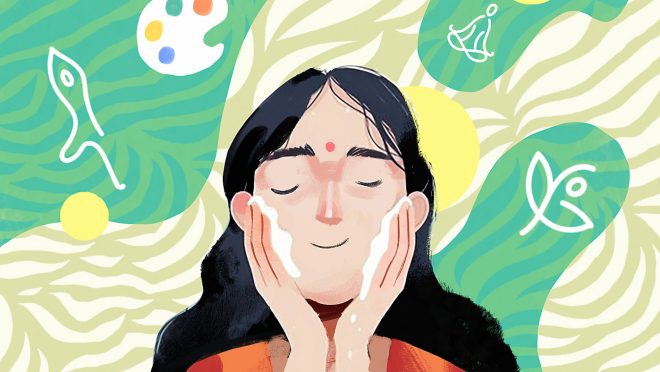
Discussions surrounding the International Day of Happiness started changing this narrative. Instead of seeing happiness as a reward for success, psychologists encourage students to see it as something they can maintain in their daily lives.
This adjustment is not only reassuring, but also necessary in an era of heightened anxiety and expectations.
To further understand this, Nayeema Islam, a Clinical Psychologist at Bangladesh International School and College, provides a solid and practical perspective.
Nayeema Islam believes that happiness is far more than a temporary emotion. Rather than focusing solely on happy moments, it expresses an overall sense of life satisfaction and mental health. Happiness, according to psychology, is something that slowly develops as a result of how people think, feel, and interact with their life.
Why achievements alone are not enough
Students commonly believe that success leads to happiness. While successes like good grades or recognition can be exciting, they rarely give long-term fulfilment. This is because such enjoyment is heavily dependent on external circumstances, making it unstable and fleeting.
Long-term happiness is psychologically linked to mental well-being and meaningful connections rather than achievements alone. When people rely only on outcomes or validation for their sense of well-being, their happiness fluctuates, increasing and falling with each success or setback.
Sustainable happiness is based on everyday routines and mentality rather than being outcome-driven. The significance of behaviours like being grateful, thinking positively, and maintaining helpful connections is highlighted by psychological studies. These behaviours assist people in concentrating more on the things that currently improve their lives rather than on what they lack. Additionally, maintaining one’s physical and emotional well-being is essential. A more steady and long-lasting sense of happiness eventually results from small, regular acts like practising mindfulness, lending a hand to others, or just recognising the good things in life.
The hidden pressures students face
Today’s students deal with a number of demands that have a big impact on their emotional health. It can be challenging to truly experience happiness due to stress brought on by familial responsibilities, academic expectations, and the ongoing pressure to perform. This problem has been made more difficult by social media. Even when people are making their own success, constant exposure to highly edited versions of others’ lives can lead to harmful comparisons, reducing self-esteem and promoting a sense of inadequacy.
Another significant difference in psychology is between pleasure and actual happiness. Pleasure is usually fleeting, resulting from instant experiences or rewards, and does not always contribute to long-term well-being. True happiness is rooted in purpose, personal growth, and meaningful connections. According to psychology, happiness is not fixed but may be nurtured through mindfulness, gratitude, and constructive thinking. Strong relationships with family, friends, and supportive groups help to give the emotional security required for long-term well-being.
Stress, anxiety, and academic pressure can seriously hamper a student’s ability to be joyful, limiting motivation and raising emotional stress. However, mentality influences how people respond to these challenges. Those who develop tolerance and focus on solutions tend to have a more positive view. Simple actions, such as expressing thankfulness, reducing social media use, and getting enough rest, can lead to major benefits. Schools can help by creating supportive environments in which students feel valued beyond their results.
Rethinking happiness
Naima Islam emphasises that pleasure can be greatly increased by thinking back on one’s progress, acknowledging minor victories, and pursuing one’s passions. Connecting with helpful friends, seeking guidance when necessary, and devoting time to personal development are all practical methods to preserve emotional wellness. For students, this may mean creating a balance between their schoolwork, interests, relationships with others, and rest, a mix that fosters adaptability and lowers stress.
Working directly with students, she offers both professional expertise and real-life observation to the debate, making her ideas particularly relevant for young people dealing with academic and emotional challenges.
In the end, happiness is a journey rather than a destination. It combines perspective, mindfulness, and regular self-care. The message is clear: take a moment to think and take care of your own health.
A lasting sense of fulfilment can be created by exercising self-care, realising the fleeting nature of emotions, and accepting minor pleasures.
Temporary sadness will pass, and accomplishments will come and go. Students and young adults can develop behaviours that improve their health, happiness, and sense of control over their lives by following the advice of clinical psychologists.
We already have access to happiness in its purest form; it only requires our care and attention.