Arctic sea ice hits record-low winter peak for second straight year
For the second year in a row, Arctic sea ice reached its lowest winter maximum on record, scientists reported Thursday, underscoring the accelerating impacts of global warming on polar regions.
Arctic sea ice hits record-low winter peak for second straight year
For the second year in a row, Arctic sea ice reached its lowest winter maximum on record, scientists reported Thursday, underscoring the accelerating impacts of global warming on polar regions.
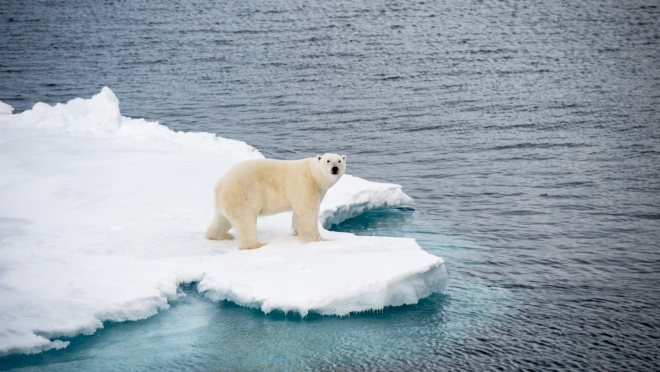
Data from the U.S. National Snow and Ice Data Center (NSIDC) shows that sea ice in the Arctic peaked at about 14.29 million square kilometres on 15 March slightly below, but essentially tied with, the record low set in 2025. This figure is roughly 1.3 million square kilometres below the long-term average for winter extents dating back to 1979, according to satellite records.
Scientists say the lack of ice during the season when it should be most abundant reflects not just natural variability but a broader, long-term decline linked to rising global temperatures. The Arctic is warming at a rate estimated to be about four times faster than the global average, which reduces the growth and thickness of the ice pack during winter months.
Arctic sea ice plays a critical role in regulating the Earth’s climate by reflecting sunlight back into space. When ice is thin or scarce, darker ocean water absorbs more heat, reinforcing warming and potentially altering atmospheric circulation patterns.
Although winter ice extent is a key seasonal milestone, scientists caution that the summer minimum, when ice hits its annual low, remains the more crucial indicator of long-term climate change. Nevertheless, a weak winter maximum sets the stage for potentially accelerated summer melt.
Experts warn that the continued decline of Arctic sea ice has broad implications not only for polar wildlife and Indigenous communities but also for global weather patterns, ocean circulation and human activities such as shipping and resource development in the far north