What Mafia: Definitive Edition taught me about the weight of loyalty
There is a particular kind of exhaustion that comes not from doing too much, but from wanting too desperately to belong somewhere.
What Mafia: Definitive Edition taught me about the weight of loyalty
There is a particular kind of exhaustion that comes not from doing too much, but from wanting too desperately to belong somewhere.
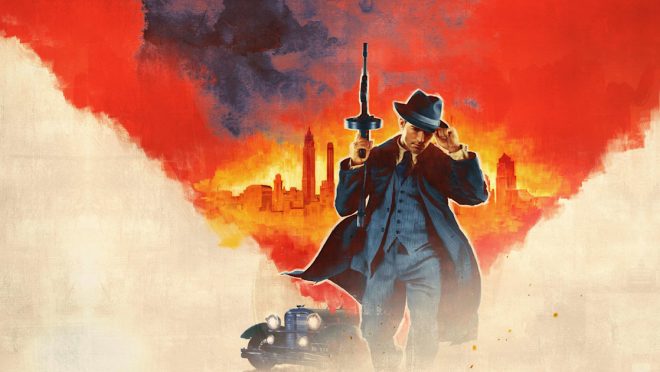
I finished Mafia: Definitive Edition last week, and I have not stopped thinking about Tommy Angelo since. Not because the game is perfect, it is not, but because it asked me something I was not ready to answer: what are you willing to become for the people who gave you a place to stand?
I did not have nostalgia binding me when I started it. I had not played the 2002 original. I arrived simply as someone who had been spending long hours inside fictional worlds lately, looking for something I could not quite name in my own life. What I found in Lost Heaven was not escape. It was a reckoning.
Tommy does not choose the life; rather, he shows resentment. The life finds him on a rainy night, and one act of loyalty leads to another, and then another, until the thread pulling him forward is too tightly wound to trace back to its beginning. I watched him make each compromise with the quiet recognition of someone who has also told himself just this once, just this one thing, without quite realising he was building a self he would later struggle to recognise.
The game is set in the 1930s, and its period detail is extraordinary, not in the way of a museum exhibition but in the way of somewhere lived in and true. The cobblestones, the jazz threading through the cigarette smoke, the hum of a city that believes in hierarchy and codes of silence. Lost Heaven does not romanticise its era so much as let it breathe, let it contradict itself. Elegance coexists with cruelty. Brotherhood with betrayal. The city is beautiful, and it will ruin you, and it does not apologise for it either.
I noticed early that the game asks you to drive carefully. There are traffic laws. Speed limits. You will be pulled over if you run a red light on the way to commit a crime. I laughed the first time. Then I began to find it oddly moving, this insistence on ordinary life continuing around extraordinary violence. The world does not pause for Tommy’s moral unravelling. Other people still need to get to work.
That felt true to something I have been learning this past year: that crisis rarely announces itself with appropriate gravity. It tends to arrive quietly, between responsibilities, while you are still trying to follow the rules of some smaller, easier system.
The friendship at the heart of the story, Tommy, Paulie, and Sam, is the game’s most honest achievement. It does not idealise male closeness or make it simple. These three men love each other in the way people love those who witnessed their becoming. They know things about each other that cannot be unsaid. And that shared history becomes, eventually, the very thing that destroys them. Loyalty, the game suggests, is not always a virtue. Sometimes it is just the name we give to the trap we walked into together.
I did not cry at the ending. But I sat with it for a long time.
Mafia: Definitive Edition is not a perfect game. The gunfights occasionally feel stiff, and the later missions lose some of the breathing room that makes the early chapters so atmospheric. But it is a serious game, serious in the way that serious literature is serious, not solemn or self-important, but genuinely concerned with consequence. With the gap between who a person intends to be and who circumstance slowly makes them.
I think about Tommy’s face in the final cutscene sometimes. The particular tiredness in it. The look of someone who settled the account and found the balance worse than he feared.
I do not know what I would have done in his position. I am not sure that is even the right question. The better question, the one the game left quietly in my chest, is whether I am already making smaller versions of his choices. Whether the compromises I call practical are already changing the shape of something I cannot yet see clearly.
Lost Heaven is gone now, from my screen at least. But Tommy Angelo is still with me.
Standing outside a diner. Watching the rain. Knowing exactly how he got there.